Update, October 19, 2026: Tesla has since released 2026.38.5.1 (October 13), a fixes release. Not a Tesla App’s release notes list the same feature set and the same FSD builds (FSD v14.3 Lite and v14.3.12 in North America). The page doesn’t say exactly what the fix addresses. TeslaFi showed it on 27.4% of tracked cars (3,412) when checked; rollout continues gradually.
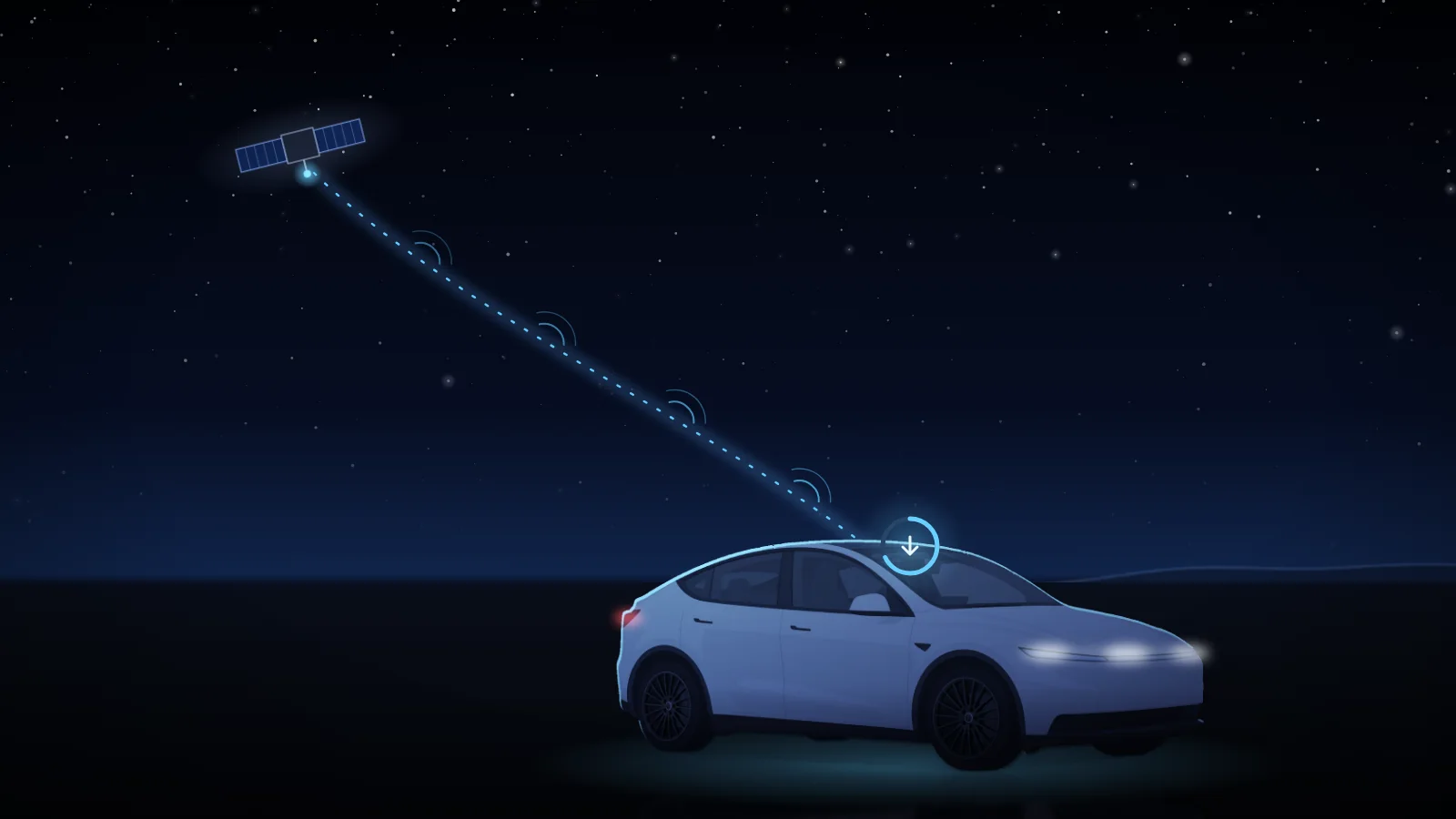
Tesla began sending software update 2026.38.5 on October 10, 2026, with a fix-only follow-up, 2026.38.5.1, on October 13. As of October 19, it is still a small share of the fleet, so most owners will not have it yet. The update bundles Halloween Mode, Emergency Drive Away and Set Arrival Energy with a new version of Full Self-Driving (Supervised).
What is new in 2026.38.5
According to the release notes collected by Not a Tesla App, the update includes:
- Halloween Mode: a ghost costume on the car visualization, trick-or-treat sounds with light flicker, scheduled light shows and a photobooth mode. It is listed for AMD-powered Model S, 3, X, Y and Cybertruck. We covered the feature in our Halloween Mode explainer.
- Emergency Drive Away: lets you shift into Drive with a Supercharger cable still connected. The notes warn that doing so damages the car and the charger, that you may be responsible for repairs, and that short camera recordings are shared with Tesla. See how the feature works.
- Set Arrival Energy: set how much charge you want on arrival from the location tab of the Tesla mobile app. It needs app version 4.58.0 or later.
- Supercharger site maps: a site map with live stall status (available, occupied, down) at select pilot sites. It is listed for Intel-powered Model S, 3, X and Y.
- Visual updates: higher-quality car images and an enhanced park scene on the Model 3 and Model Y display.
- Dynamic headlight leveling: low beams adjust their aim to conditions and traffic. It is listed for Model 3 and Cybertruck.
- Automatic Collision Evasion: on Hardware 4 cars, FSD (Supervised) can step in when the car detects low driver attention or an unintended FSD disengagement.
- Security improvements: described only as important security fixes.
The Full Self-Driving versions inside it
Hardware 4 cars get FSD (Supervised) v14.3.12. Tesla's notes list a rewritten AI compiler and runtime that gives a 20% faster reaction time, plus better handling of emergency vehicles, school buses, small animals and traffic lights, and better parking choices and driver monitoring.
Model 3 and Model Y cars with Hardware 3 get FSD (Supervised) v14.3 Lite. The notes add Arrival Options (parking lot, street, driveway or pull over), a Start Self-Driving button from Park, and a new, more conservative Speed Profile called SLOTH. Older Model S and Model X owners are covered in our FSD v14.3 Lite report. FSD (Supervised) does not make the car autonomous, and the driver must stay attentive.
Who gets it and when
Tesla sends updates in waves by hardware, region and software version, and it does not publish a schedule. Not a Tesla App lists the TeslaFi fleet figure for 2026.38.5 at 230 cars, about 1.8% of the fleet, as of October 19. The fix-only 2026.38.5.1 is listed at about 27% of the fleet on the same date. The page does not give release notes for 2026.38.5.1 beyond a link to the same FSD versions.
How to check your car
On the touchscreen, go to Controls, then Software. If an update is ready, the screen offers to install it. Connecting to Wi-Fi and charging to a comfortable level helps. If you have an older car, our guide to what the 2026.38 update changes for older cars covers what to expect.
As of October 19, 2026 ET. Which features show up on a given car depends on its hardware, and Tesla can change a rollout at any time.