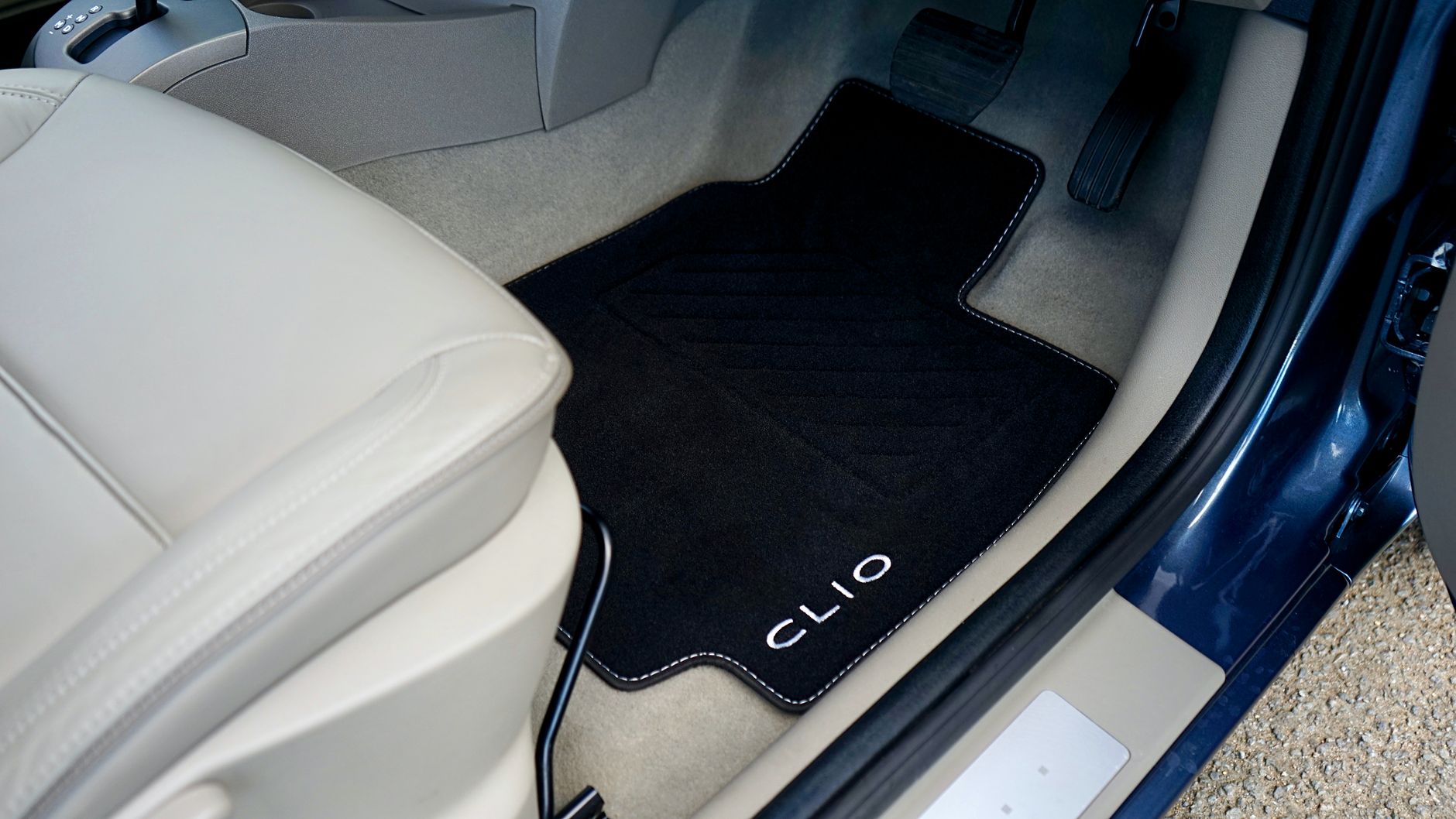
A floor mat that isn’t anchored down is a real safety issue, not just a fit-and-finish annoyance — and it’s worth checking regardless of which mat you’re running.
How a mat actually causes a problem
A driver’s-side mat that slides forward can wedge underneath the accelerator or brake pedal and stop it from returning to its resting position, and automotive safety writeups describe this pedal-entrapment risk as serious enough that it has triggered federal recalls in the past. Pedal travel is engineered with very little spare room, so even a bunched-up edge of carpet or an unanchored mat can bind a pedal at the wrong moment.
What actually prevents it
The fix isn’t a specific brand of mat — it’s proper retention. Factory mats use hooks, clips, or built-in anchor points to hold the mat in a fixed position; an aftermarket mat that doesn’t hook into those same anchor points, or that gets stacked on top of an existing mat, loses that protection. After installing any new mat, press each pedal through its full range of motion before you drive to confirm nothing catches.
One owner’s install
Ryan Shaw installed a set of 3W floor mats with a metal pedal plate on his Model Y and walked through the install on September 12, 2026:
A metal pedal plate is mainly a grip and wear accessory, not a certified fix for entrapment on its own — the mat still needs to be properly anchored underneath it. Treat the video as one owner’s product pick, and check your own mat’s retention points against your pedal’s full range of travel before you trust it.
Photo by Mike Bird.