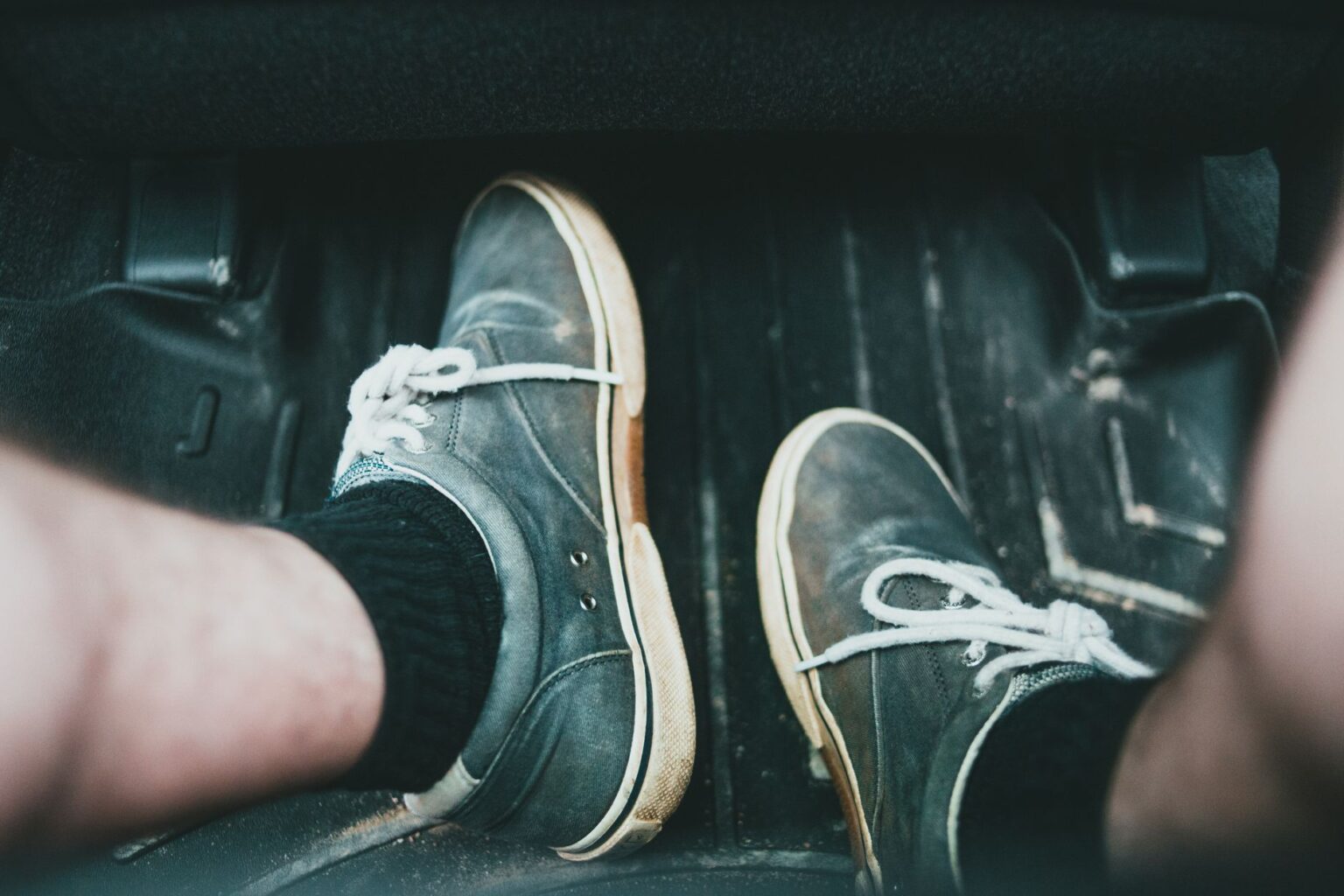
Your Tesla ships with thin carpet mats up front and not much else. They look fine on delivery day, but they soak up coffee, road salt, and mud like any other carpet — and unlike a gas car, a Tesla has extra cargo floors (the frunk, and the trunk under the rear hatch) that get the same treatment from grocery bags and gear.
All-weather mats are one of the more genuinely useful accessories you can buy for a new Tesla. Here’s what to know before you do.
What all-weather mats actually protect
All-weather mats (sometimes called liners) are molded from a rigid or semi-rigid plastic rather than woven carpet. Raised edges around the perimeter form a shallow tray that contains spills, melted snow, and mud until you shake or hose it out, instead of letting it soak into the factory carpet underneath. Manufacturers like WeatherTech build Tesla-specific liners for the front and rear footwells, and separate liners are sold for the trunk and frunk — areas a gas car simply doesn’t have.
Material matters more than it sounds
Most quality all-weather mats are made from some form of thermoplastic elastomer (TPE) rather than hard rubber. A TPE liner from a maker like WeatherTech stays flexible in cold weather instead of going stiff and cracking, has no strong odor, and doesn’t off-gas the way cheaper PVC mats can. If a listing doesn’t say what material it’s made from, that’s usually a sign to look elsewhere.
Fit is a safety issue, not just a cosmetic one
This part isn’t marketing copy: floor mat fit is a documented safety problem. Loose or oversized mats can slide forward and interfere with a pedal’s return to idle. The National Highway Traffic Safety Administration traced a wave of unintended-acceleration incidents in the late 2000s partly to this exact failure mode, and it led to a recall of nearly 8 million vehicles. Since then, most automakers — Tesla included — build retention hooks into the footwell specifically to anchor mats in place.
The practical takeaway: buy mats designed for your specific Tesla model and year, not a generic “universal fit” mat trimmed down with scissors, and make sure the mat actually clips into your car’s factory retention hooks rather than just sitting loose on top of them.
What to look for when you buy
- Custom-molded for your exact model and model year — Tesla’s interior has changed enough across refreshes that a Model 3 mat from a few years ago may not fit a current one.
- Compatible with your car’s factory retention clips or hooks.
- Raised edges deep enough to contain a real spill, not just a decorative lip.
- TPE or similarly documented material, not an unlabeled “rubber-like” mat.
Pricing varies by brand and how much of the car you cover, and climbs the more pieces you add (front, rear, trunk, frunk). Check the exact model-year fit and current price on the retailer’s own listing before you buy. It’s not the flashiest accessory you’ll buy, but it’s one of the few that pays for itself the first time you track in snow or spill a drink.
Photo by Erik Mclean.