Your Tesla’s glass roof, camera lenses, and painted surfaces are easy to scratch with the wrong winter tool. Here’s what’s actually safe to use when you’re clearing snow and ice, and what to leave in the garage.
Skip the metal scraper
A standard metal ice scraper can scratch a Tesla’s glass roof, windshield, and camera lenses — damage that doesn’t buff out. Guidance aimed at Tesla owners recommends clean, light strokes with a soft plastic tool, and warns against dragging road grit across painted or stainless surfaces, pressing a hard edge into bonded ice, or striking glass and camera lenses directly. For the cameras specifically, the safer method is water and a microfiber cloth to clear dirt or debris — not scraping, and not attempting to open a camera housing yourself, since the trim tabs around them are fragile and easy to break.
Let the car do the first pass
Before you touch anything with a tool, Tesla’s defrost cycle does most of the work. Running Defrost Car from the app loosens windshield and window ice so a soft brush or squeegee can clear it without force. The same applies to the charge port in freezing weather — using the vehicle’s Defrost Car and, where available, an inlet-heater option is the recommended way to thaw a frozen port. Pouring hot water on it isn’t, since the temperature shock can crack the plastic housing.
Washer fluid and wipers
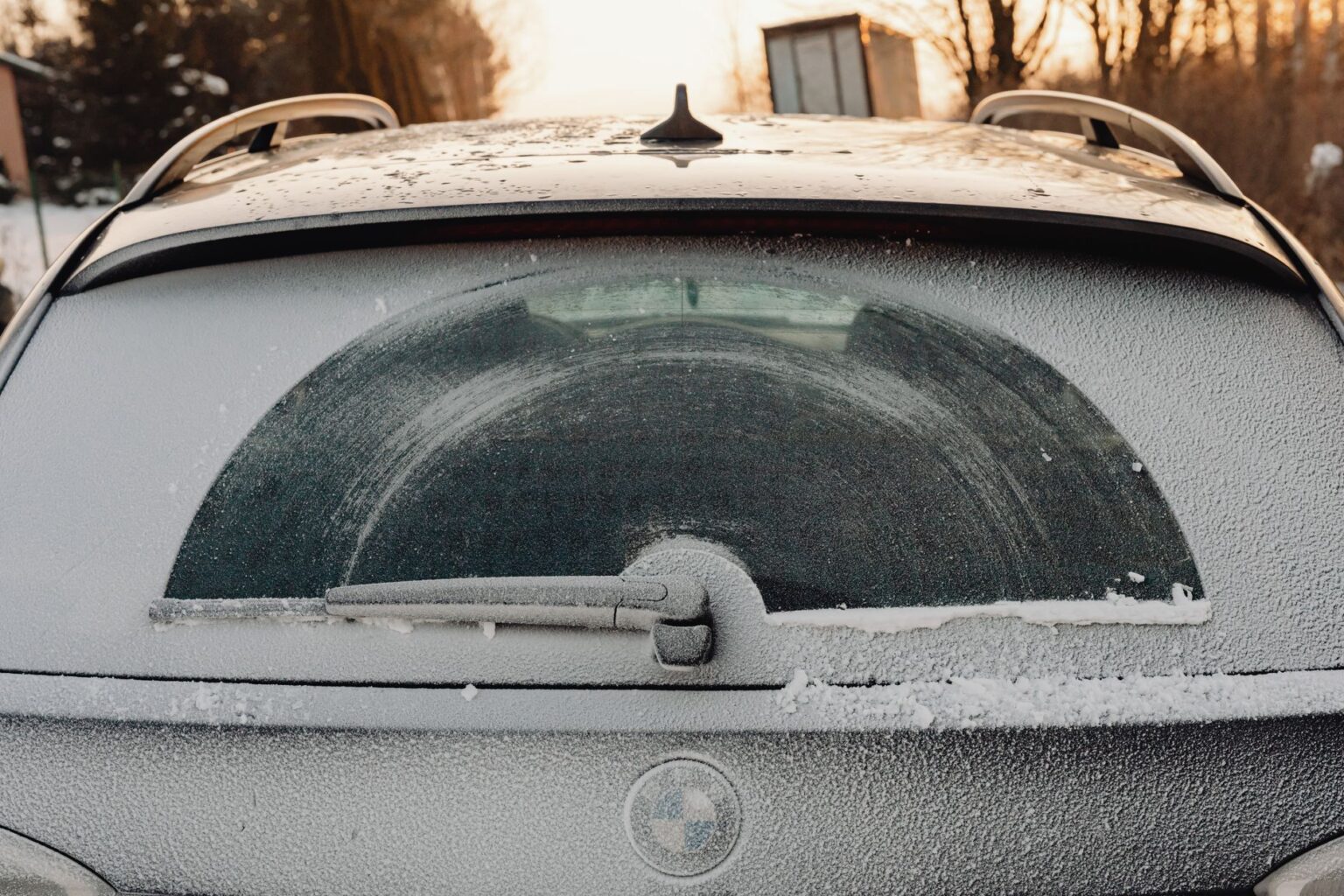
Regular washer fluid can freeze on contact in cold weather and make visibility worse, not better, so switch to a winter-rated fluid with antifreeze properties before temperatures drop. If your wipers are frozen to the glass, don’t force the arms — run the windshield defrost first and let the ice release on its own, or use the car’s wiper service mode to park the blades somewhere the defrost can reach them before the next freeze.
A windshield cover, used correctly
A magnetic windshield cover cuts down on morning scraping entirely by keeping ice off the glass in the first place. The catch is installation: put one on over road grit or debris and you risk trapping particles against the paint, which can scratch the clear coat over a season of use. Clean the hood and cowl area before fitting one, and remove the cover completely — magnets, straps, and mirror pockets included — before driving off.
What this doesn’t replace
None of this is a substitute for winter tires if you’re regularly driving on snow or ice, or for tire chains where your route requires them by law — those are separate, already-covered decisions about traction, not surface care. Treat the tools here as what keeps your glass, cameras, and paint intact while you get to clear visibility, not as a winter-readiness plan on their own.
Photo by https://kaboompics.com/.