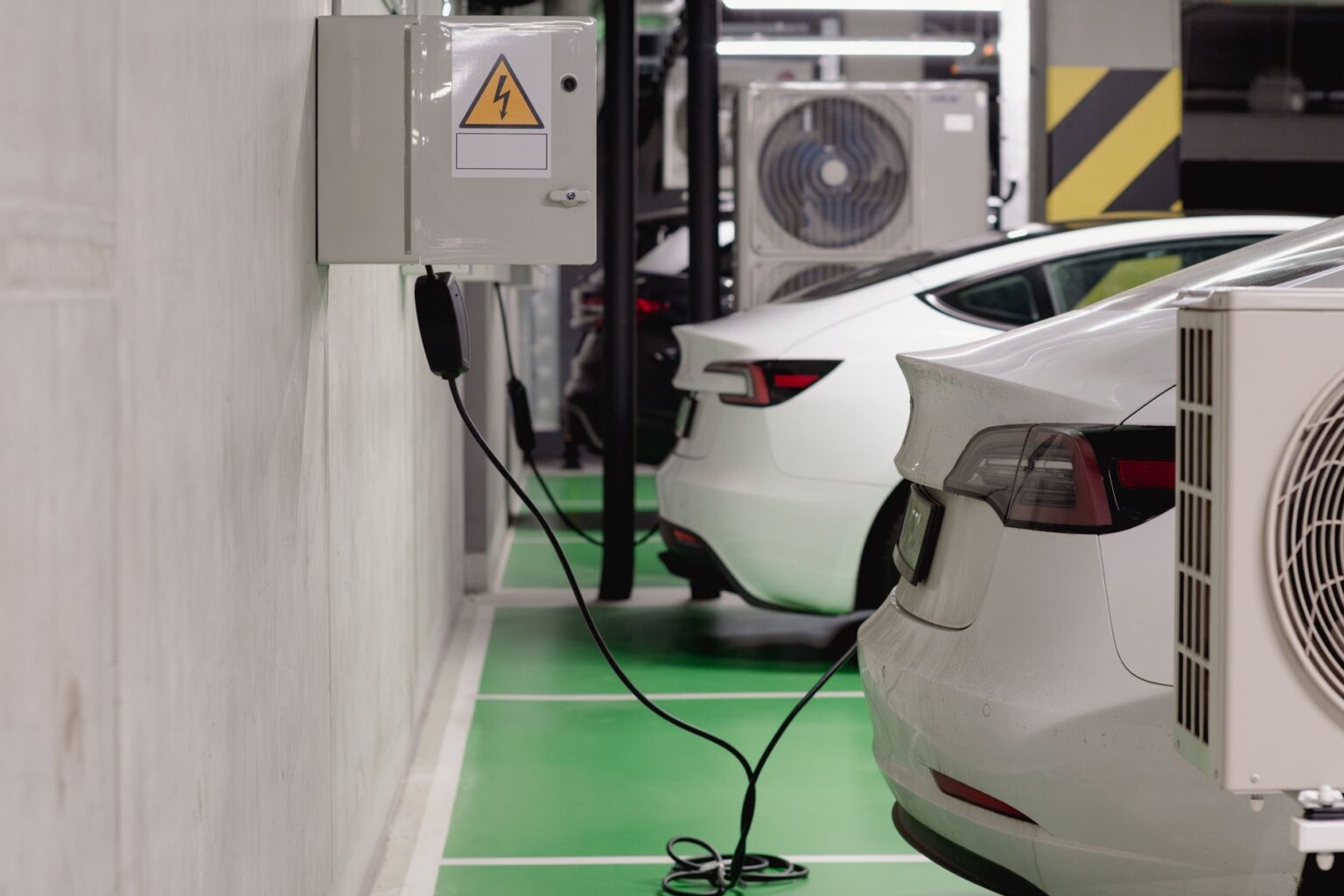
Tesla’s Mobile Connector can plug straight into an ordinary 120-volt household outlet, but it’s slow: roughly 3 to 4 miles of range per hour, according to a review of the Mobile Connector. That’s enough to matter for some owners and nowhere near enough for others, depending on how far you actually drive.
When a regular outlet is genuinely enough
At 3 to 4 miles per hour, an overnight charge of 10 to 12 hours adds roughly 30 to 45 miles. If your daily round-trip commute and errands add up to less than that, plugging into a standard outlet every night can keep your Tesla topped up indefinitely without ever installing anything. It’s also the cheapest way to charge at home by far, since it uses wiring that’s already there.
Where it falls apart
The math stops working the moment your daily driving creeps past what an overnight 120V session can replace, or if you skip a night and need to catch up. Drive 60 miles a day and a 120V outlet alone won’t keep pace — you’ll slowly lose ground night after night until the car is sitting at a lower charge than you’d like each morning. Cold weather makes this worse, since some of that trickle of power goes toward warming the battery instead of charging it.
The jump to 240V is bigger than it looks
Tesla’s Mobile Connector comes with a second adapter for a 240-volt outlet — the same NEMA 14-50 plug used by an electric dryer or an RV hookup — and switching to it raises the same connector’s charging speed to roughly 25 to 30 miles of range per hour, per the same review. That’s not a marginal improvement; it turns an overnight charge from “maybe enough” into “full by morning” for nearly any daily driving pattern, without buying a separate wall-mounted charger.
The bottom line
If you’re not sure which situation you’re in, plug in for a week on the 120V outlet you already have and watch what percentage you wake up to each morning. If it’s holding steady or climbing, you’re fine. If it’s sliding lower every day, that’s your sign to get a 240V outlet installed or move up to a dedicated Level 2 home charger.
Photo by Jakub Zerdzicki.