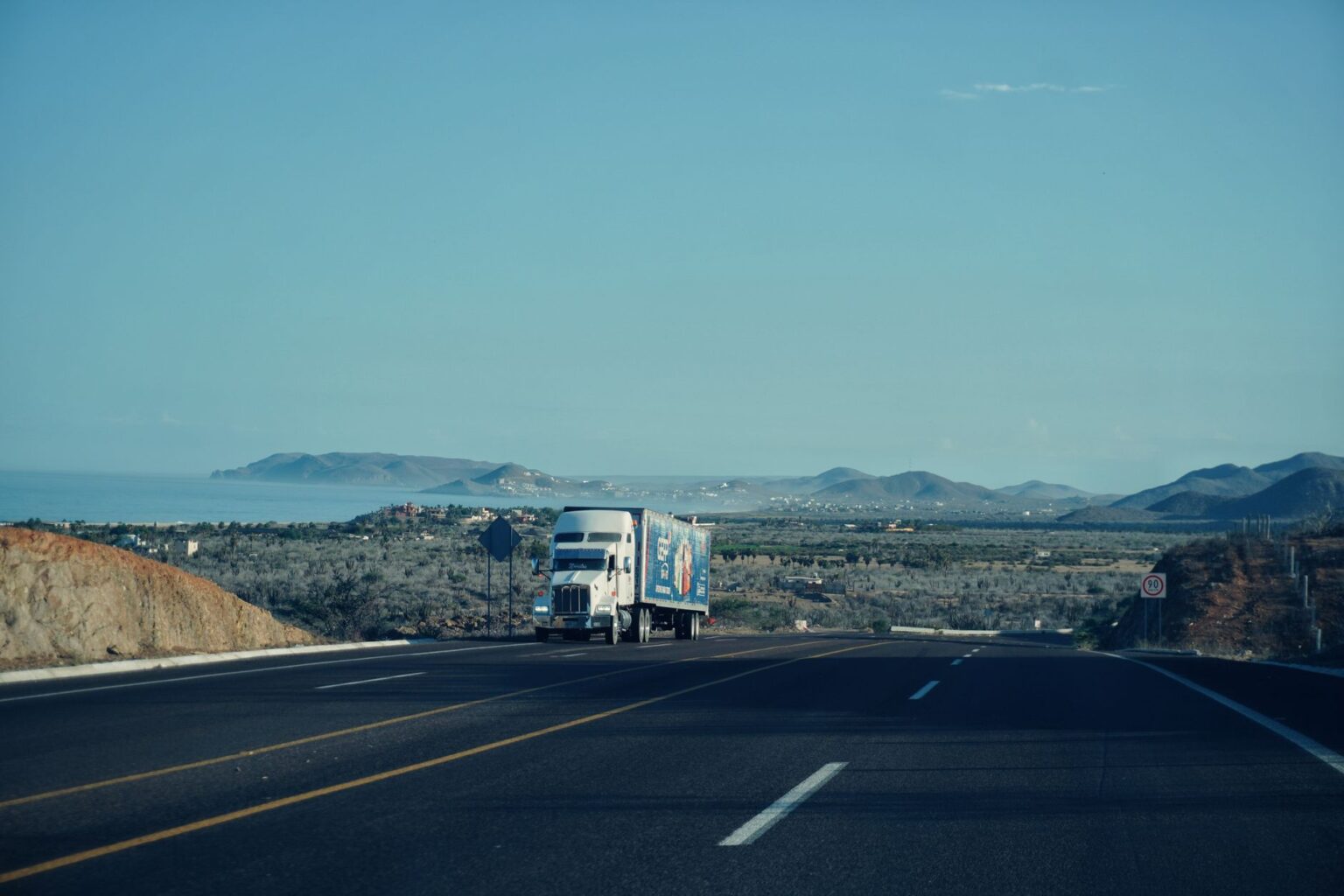
Tesla began high-volume production of its Semi truck on September 24 at a new, dedicated factory in Sparks, Nevada, next to Gigafactory Nevada. The company says deliveries to fleet customers are starting now, seven years after the truck was first unveiled with a promised 2019 production date.
A truck built to build itself
The new factory spans roughly 1.8 million square feet and is designed to produce up to 50,000 trucks a year, or about 1,000 a week once fully ramped. Rather than assembling parts sourced from outside suppliers, the plant makes its own stampings, battery packs, drive axles, high-voltage distribution systems, and seats in-house, according to Teslarati. Its 4680 battery cells are produced in the same complex, next door to the truck line that uses them.
The production version of the Semi also switched from the 2170 battery cells used in early units to Tesla’s 4680 cells, which the company says cuts battery mass and cell count without giving up range. The truck’s motor gained a steel-caged rotor in place of an earlier carbon-fiber design, and hydraulic steering was replaced with an electric system.
Who’s actually getting one
Tesla handed over the first Nevada-built trucks to fleet customers including PepsiCo, DHL, and US Foods at a rollout event on September 24, per Teslarati. PepsiCo, Tesla’s first Semi customer, took initial delivery back in December 2022 and has since grown its fleet to 50 trucks. Kroger-owned Ralph’s has committed to as many as 500 units, and Walmart, Costco, Sysco, and other logistics operators are also on Tesla’s customer list.
Real-world numbers from DHL, cited by Teslarati, put the truck’s efficiency at 1.72 kWh per mile hauling a full 75,000-pound load over a 388-mile route. Tesla’s published range figures remain 500 miles for the Long Range Semi and 325 miles for the Standard Range version, both at a fully loaded 82,000 pounds. The company says its 1.2-megawatt Megacharger can restore about 60% of range in roughly 30 minutes. A Semi costs a little under $300,000, roughly double a comparable diesel truck.
Why an owner of a Model 3 or Model Y should care
You won’t be shopping for a Semi, but a dedicated 4680-cell factory ramping toward 50,000 trucks a year is more evidence that Tesla’s battery supply chain is scaling — the same 4680 cell family already underpins the Cybertruck and is spreading across Tesla’s lineup. It’s also a sign the company is finally converting a long-delayed product into revenue, which matters for the health of the company building your car’s software and Supercharger network.
Photo by Omar Gerardo.
Tags