
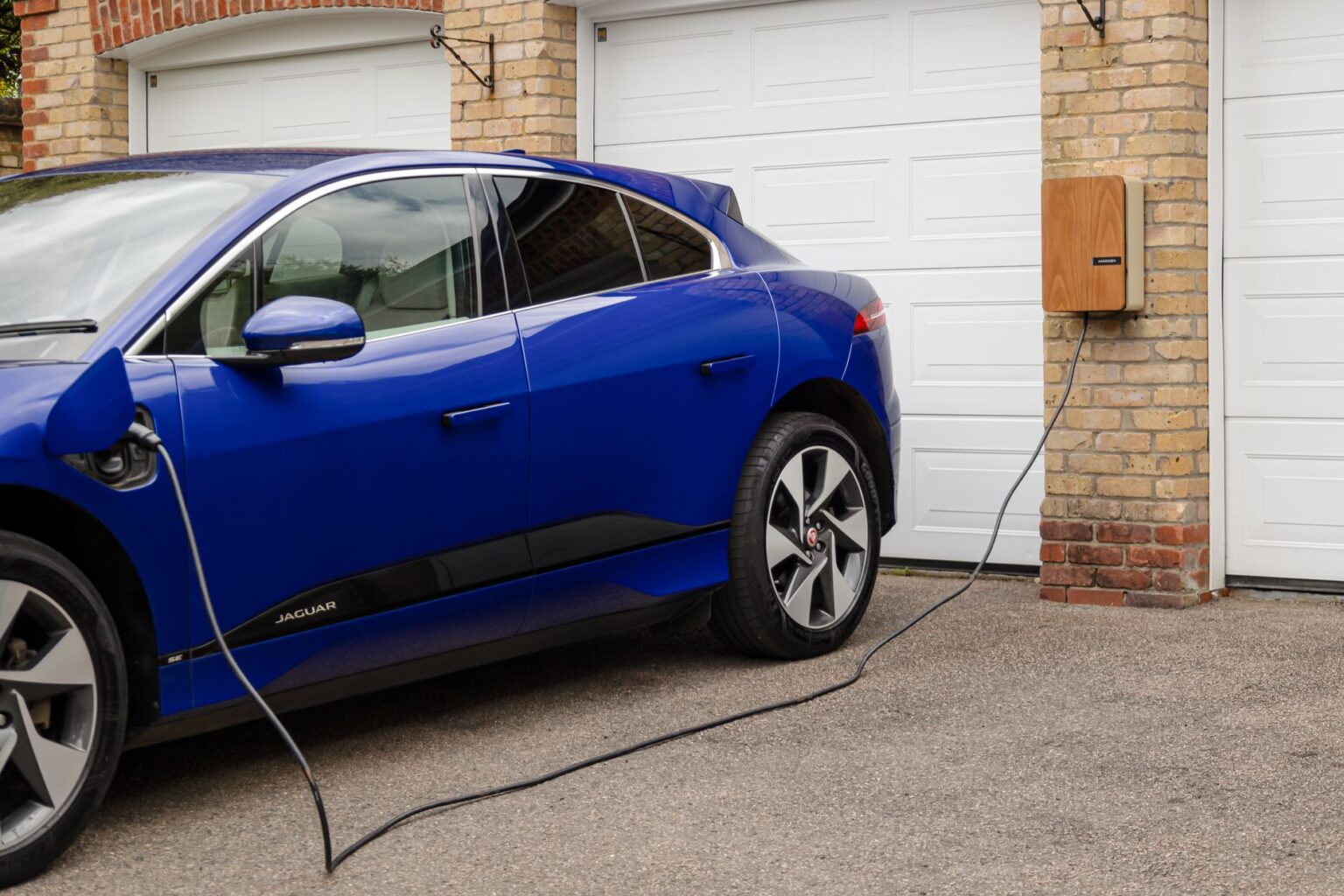
Tesla switched on Powershare home backup for the Model 3 and Model Y on October 6, 2026, letting those cars power a house during a blackout — a feature that until now only the Cybertruck had. Tesla’s energy team confirmed the change in a post on its official @teslaenergy account, quoted by Electrek, saying Powershare Home Backup is “now available for new Model 3 & Model Y with Powerwall 3.”
What it does, and what it needs
With the car plugged into a Wall Connector or Universal Wall Connector at a home that also has a Tesla Powerwall 3, the vehicle’s battery can extend the home’s backup power during an outage. Tesla says a Model 3 or Model Y Premium or Performance adds more than two days of backup for a home using 30 kWh a day, starting from a 90% charge; standard trims are rated for up to two days, according to Drive Tesla Canada’s report on the rollout. The Cybertruck still does more, adding over three days of backup. Tesla lists a maximum continuous output of 11.52 kW for the setup.
Who actually qualifies
Tesla guarantees the feature only on Model 3 and Model Y vehicles ordered on or after October 1, 2026, in the US and Puerto Rico. Some cars built earlier may also have the needed hardware — an inverter Tesla calls PCS2 Lite — but Tesla says only that “some, but not all” earlier Model 3 and Model Y vehicles qualify, without giving a cutoff by build date. Owners can check their own car under the touchscreen’s Software menu, then Additional Vehicle Information, where “Powershare Support” shows as enabled if the hardware is there, per Drive Tesla Canada and Electrek’s coverage.
The limits
A Powerwall 3 is required; Tesla says support for the older Powerwall 2 and Powerwall+ is “coming soon,” with no date given. Unlike the Cybertruck, the Model 3 and Model Y can’t use a standalone Powershare Gateway in place of a Powerwall, and they can’t sell power back to the grid through Grid Support. The feature doesn’t extend to the Model S or Model X, and it isn’t available in Canada — Tesla’s Canadian site still lists Powershare as Cybertruck-only, Drive Tesla Canada notes.
Why it matters
Model 3 and Model Y make up the large majority of Teslas on the road, so this is the first time most owners have had a path to vehicle-to-home backup power, rather than just the smaller vehicle-to-load outlet adapter Tesla sells for the Model Y Premium. Other automakers have offered similar home-backup capability on their EVs for a few years already, which is part of why Tesla had faced questions about the wait, Electrek’s report notes. If you’re weighing whether to add it, confirm your car’s eligibility on the touchscreen first and check with Tesla support before assuming an older Model 3 or Model Y qualifies.
Photo by Andersen EV.