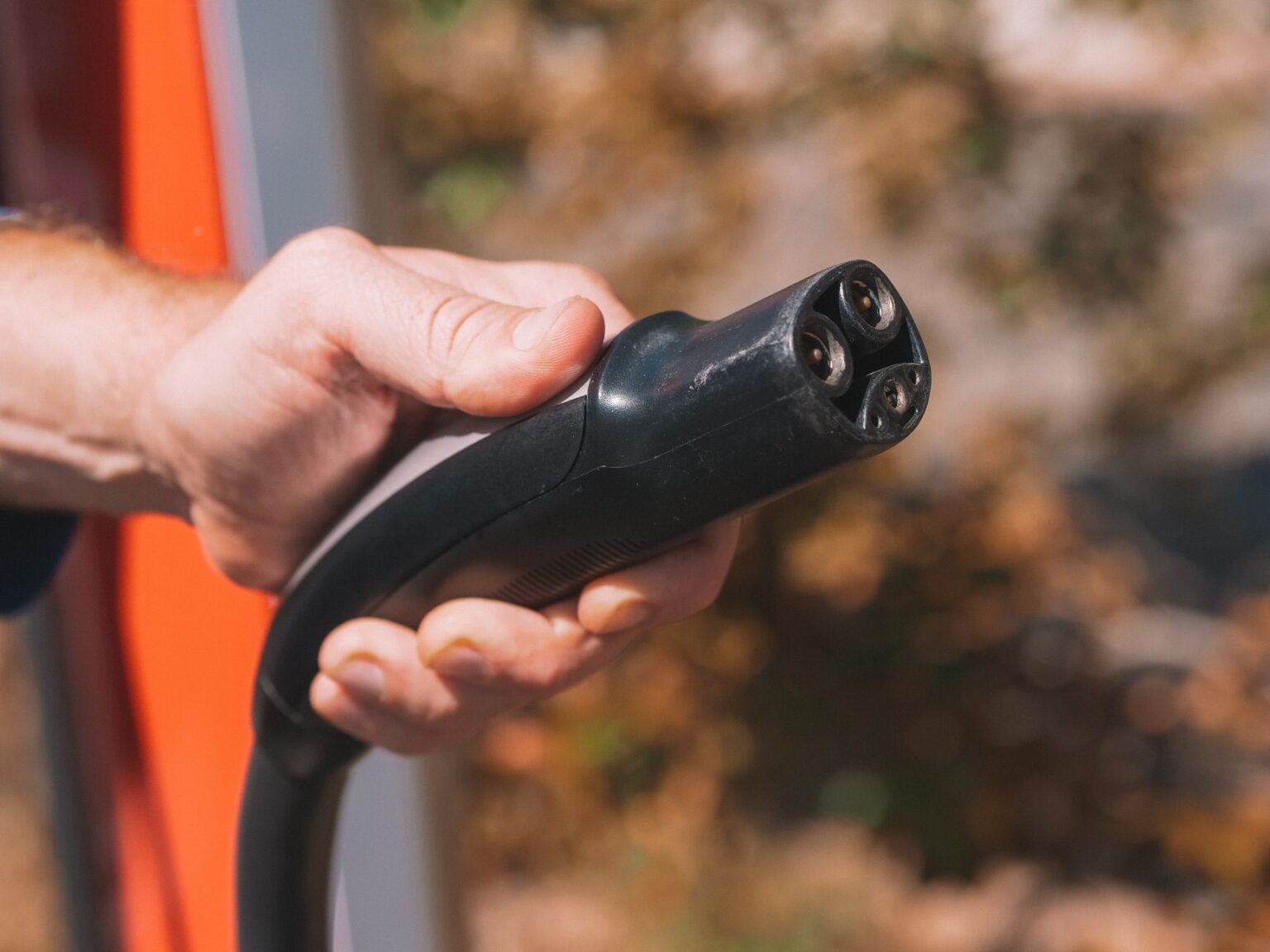
Tesla’s Supercharger hardware keeps getting faster, but the vehicle plugged into it usually isn’t the reason a charging session takes as long as it does. As of Tesla’s Q2 2026 network report, the company is now deploying a new generation of V4 charging cabinets capable of 500kW per dispenser, with roughly 10 U.S. sites live as of mid-May and more being added. The network overall passed 8,700 stations and 82,000 stalls worldwide by the end of the quarter.
That 500kW number describes the hardware’s ceiling, not what any given car actually receives. Tesla already pushed existing V4 stalls to a lower but still-faster 325kW cap via an over-the-air update, according to Not a Tesla App and InsideEVs. The only Tesla that can pull that rate today is the Cybertruck, because it runs an 800-volt battery architecture. Model 3, Model Y, Model S, and Model X all use 400-volt packs, which remain capped at roughly 250kW regardless of how fast the stall itself can go.
In practice, that means plugging a Model Y into a brand-new 500kW V4 stall next to a Cybertruck doing 325kW won’t get the Model Y there any faster. The stall provides the ceiling; your car’s own battery voltage sets the actual limit. Neither Tesla nor the outlets covering the rollout have published a timeline for bringing 400-volt models up to the higher speeds, so for now, upgrading the charger network mainly benefits Cybertruck owners and whatever higher-voltage vehicles Tesla builds next.
A few things are still worth knowing before your next road trip:
- Charging speed on any Tesla drops well before 100% regardless of stall hardware. The car protects the battery by slowing the rate as it fills, which is why Tesla’s own trip planner times your stops for a partial charge rather than a full one.
- Not every Supercharger site has been upgraded to V4 yet. Older V2 and V3 stalls remain common, and the model of your car matters more than which generation of stall you pull into.
- Precondition the battery before you arrive. Tesla’s navigation does this automatically when you route to a Supercharger, and it’s the single biggest factor in hitting your car’s actual peak rate, whatever that ceiling is.
If you’re cross-shopping Tesla models partly on charging speed, that’s really a question about battery architecture, not which Supercharger stall you’ll plug into. Right now, that puts Cybertruck in its own category, with the rest of the lineup charging at speeds that have held steady for a while.
Photo by Kindel Media.