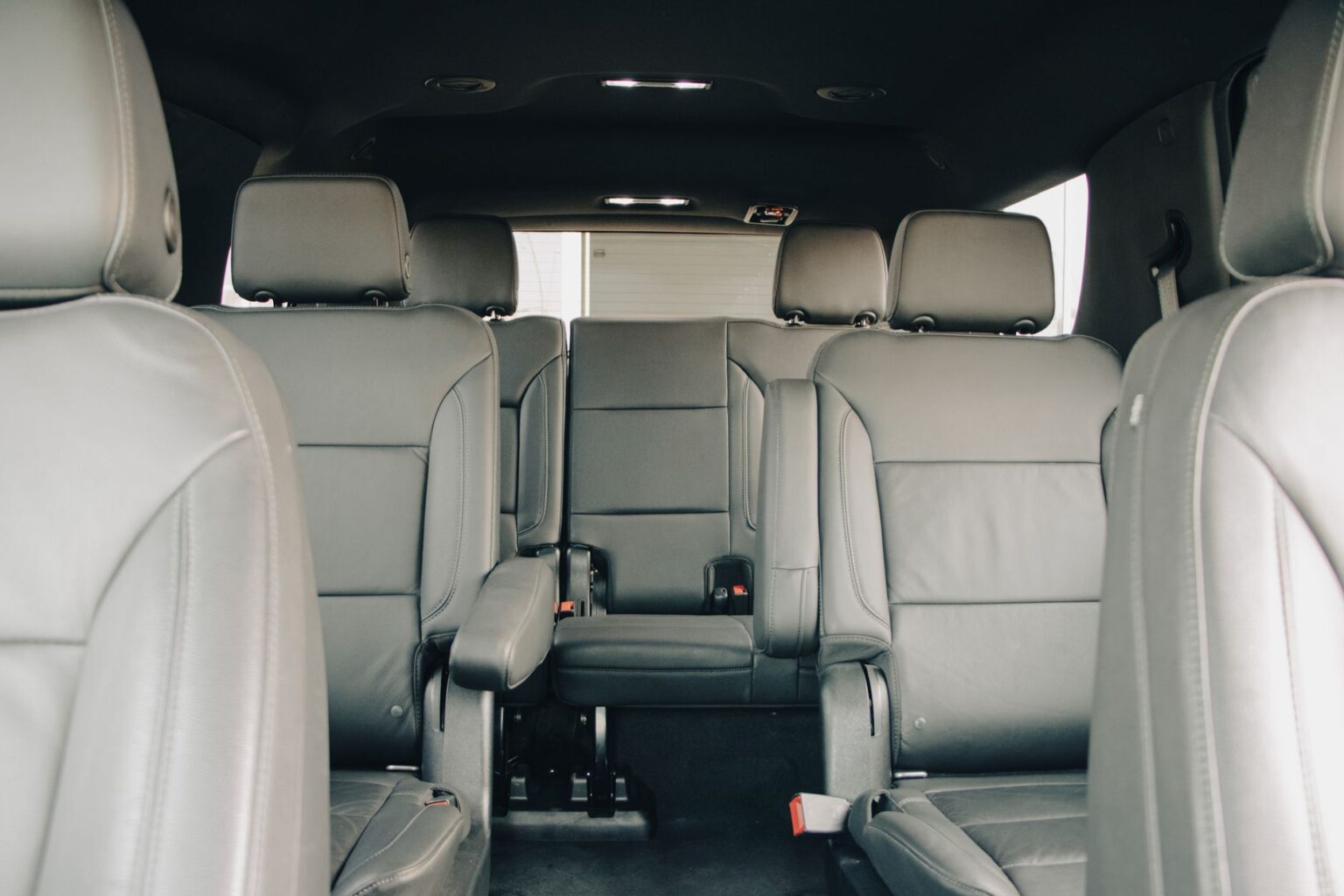
Tesla now sells two versions of its best-selling SUV, and the gap between them is bigger than a few inches of sheet metal. The standard 2026 Model Y starts at $39,990 for rear-wheel drive and $41,990 for all-wheel drive, seats five, and offers 33.1 cubic feet of cargo space behind the second row. The Model Y L, which launched in the US this month, starts at $61,990 for its only current trim, seats six in a 2+2+2 layout, and stretches the wheelbase by 5.9 inches to make room for a real third row.
That’s roughly a $20,000 difference for two extra seats and about 7 inches of added length. Whether it’s worth it comes down to one question: do you regularly need seats five and six, or would a roof box and an occasional second car cover the gap?
The standard Model Y covers most single-family use cases on its own. It seats five adults reasonably comfortably and holds 33.1 cubic feet of cargo, or 75.5 cubic feet with the second row folded, with an EPA range rated at 357 miles. For a couple with one or two kids, or anyone who only occasionally needs a fifth passenger, the standard Model Y is the better financial call.
The Model Y L exists for the households the standard car doesn’t fit: three kids who each need their own seat, a family that regularly carpools, or anyone who used to consider a Model X for its third row and can’t get one now that Model S and Model X have ended production. Tesla built the third row with real captain’s-chair-style seating in row two rather than a cramped bench, and lists 89 cubic feet of total cargo space with the third row folded down. The tradeoff is range and speed: EPA-estimated range drops to 325 miles, and 0-60 slows to 4.4 seconds.
One more thing worth knowing before you order either one: the Model Y L currently ships in a single, fully loaded “Launch Series” configuration at $61,990. There’s no stripped-down trim yet, so the price gap versus a base Model Y is the full $20,000 — not something you can narrow by skipping options.
Photo by Dextar Studio ™.