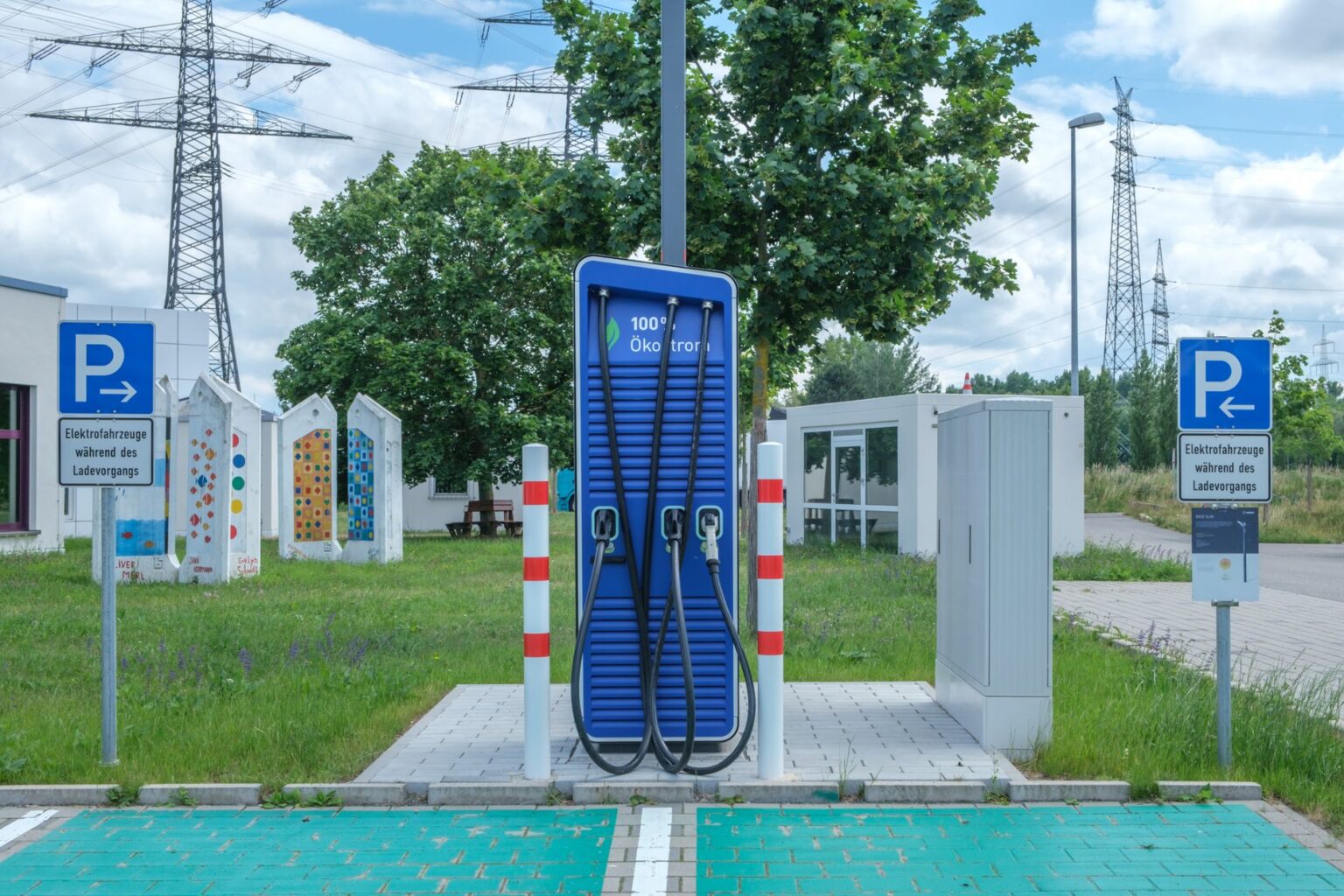
Rolling up to a Supercharger with every stall taken is one of the more avoidable frustrations of a road trip. Your car’s built-in navigation already accounts for this: Tesla’s Trip Planner factors in stall availability along with your driving style, elevation, outside temperature, and traffic when it picks charging stops, and it shows both live and forecasted stall counts for Superchargers on your route, not just how many plugs a location has in total.
That same data has been spreading outside the Tesla app. Google Maps added real-time Supercharger availability in its “Overview” section in late 2025, so drivers navigating with Google Maps instead of the car’s own screen could see green highlights showing open stalls without switching apps. As Tesla’s director of charging put it at the time, the next step was to go beyond live availability and show forecasted availability and wait times too.
That next step arrived in mid-2026. As of a global rollout that began June 26, 2026, Google Maps shows an “On arrival” line beneath the live plug count for a Supercharger, predicting how many stalls will likely be open by the time you actually get there — not just how many are open right now. The forecast works because Tesla already knows how many vehicles are currently routing toward a given Supercharger, a capability it has now extended to non-Tesla EVs whose drivers opt in to share trip and usage data through Google Maps.
Practically, this matters most on the two kinds of trips where a full station is genuinely a problem: a long road trip where a 20-minute wait turns into an hour of standing in line for a stall, and everyday charging near a popular urban Supercharger during rush hour. Before you leave — not after you’ve already merged onto the highway — check the forecasted availability at your planned stop, whether you’re looking at it in the car, the Tesla app, or Google Maps. If it looks tight, Trip Planner’s route usually offers a nearby alternative that doesn’t.
Photo by Reinhard Bruckner.