TL;DR
- On November 3, 2026, the Dutch vehicle regulator RDW said it approved changes to Tesla's FSD Supervised system in Europe. The system is renamed Tesla Assisted Driving (TAD), and its speed margin is capped at +10%, down from +50%.
- The margin resets to 0% every time the car starts, and other speed-related functions are off by default. Tesla delivers the update over the air, and the RDW gave no release date or software version.
- The notice covers Tesla cars in Europe with Hardware 4 (HW4) or later. It says nothing about US cars.
The Netherlands' vehicle authority says it has approved changes to Tesla's driver-assistance system, and the biggest one is a much lower speed margin. In its November 3, 2026 notice, the RDW said it assessed the changes Tesla asked for and folded them into the approval it already granted.
What did the RDW approve?
Three things change, according to the RDW notice:
- A new name. "Tesla Assisted Driving (TAD)" will appear on the in-car display, in the manual and in all other information for the driver. The RDW says the new name does not change how the system works. It remains a driver assistance system, and the driver remains responsible for driving.
- A lower speed margin. The driver can set a speed margin, which is a percentage by which the system may deviate from the speed limit if needed for safety and traffic flow. The RDW says it was +50% and is now limited to a maximum of +10%.
- Safer defaults. When the car starts, the speed margin goes back to 0%. The RDW says other speed-related functions are also off by default, but its notice does not say which ones.
Electrek's report on the notice gives a sense of scale. On a 100 km/h highway, a +50% margin meant up to 150 km/h. At +10%, the same road tops out at 110 km/h (our arithmetic).
Which cars and countries does this cover?
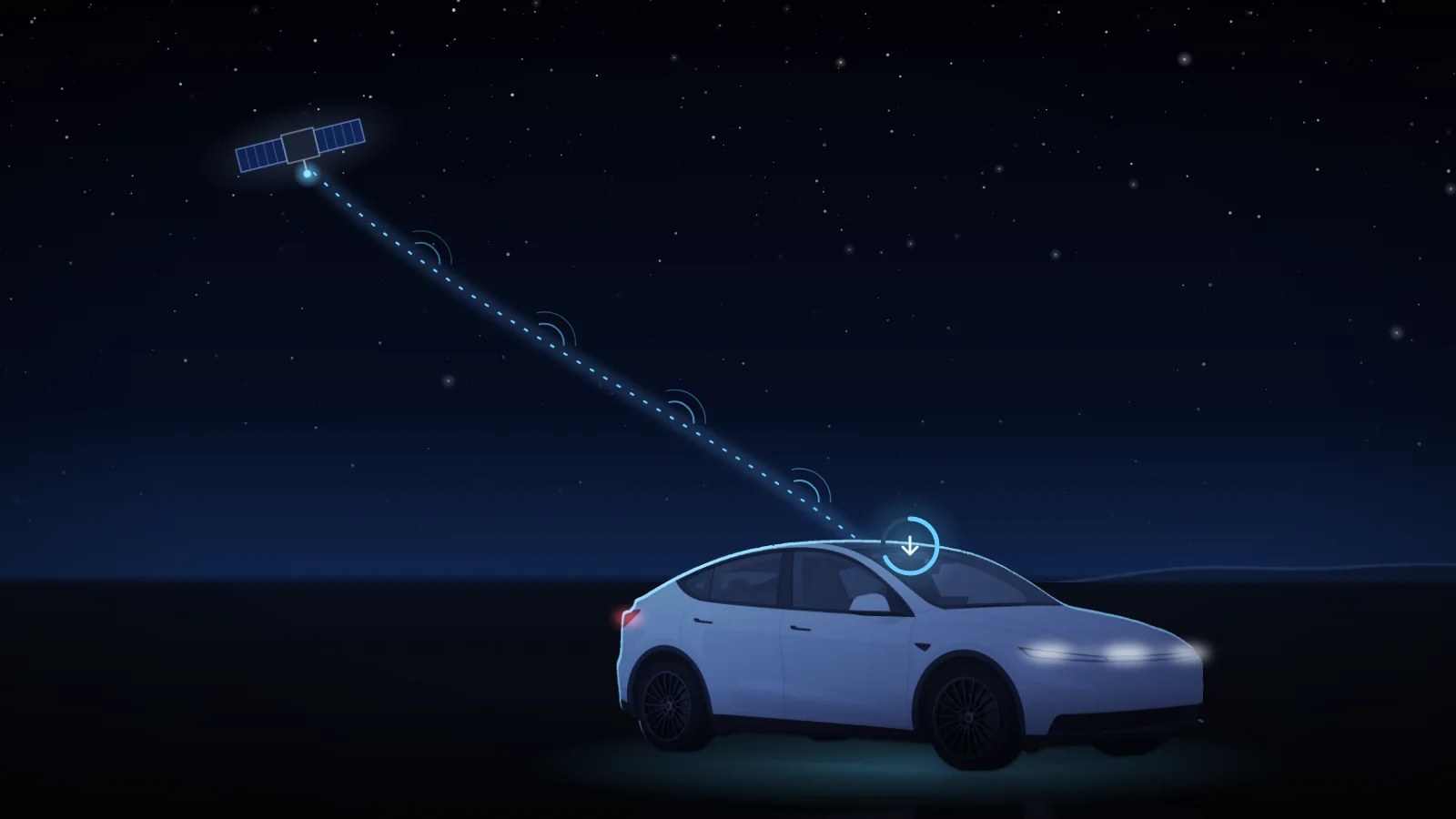
The RDW says the update applies to Tesla models equipped with the system and Hardware 4.0 (HW4) or later. Tesla will deliver it over the air, like all manufacturers' software updates, the RDW notes. The notice does not give a release date or a software version, so there is nothing to look for in your car yet.
The RDW told the nine member states that recognize its approval about the changes: Belgium, Croatia, Czechia, Denmark, Estonia, Latvia, Lithuania, Slovakia and Slovenia. Electrek counts that as 10 countries including the Netherlands.
What is still undecided?
An EU-wide approval is still pending. The RDW says the process continues in the European Technical Committee on Motor Vehicles and that those talks are confidential. Electrek reports the vote has slipped to December at the earliest and needs 15 of 27 member states representing at least 65% of the EU population. Electrek also reports that Germany's transport ministry said on October 6 it would back EU approval after Tesla agreed to drop the "Full Self-Driving" name and cap speed tolerance at 10%. Our earlier post covers the rename in Europe, and another explains why the EU vote slipped.
What it means for US owners
Nothing in the RDW notice applies to US cars. Electrek's November 3 report says Tesla still sells the same kind of software in the US as "Full Self-Driving (Supervised)". Either name comes with the same rule: the driver stays responsible for the car at all times, as the RDW notes for Europe and as our guide on why FSD still needs an attentive driver explains. To see what the system costs and which builds go to which computers, read what FSD costs now and check the FSD version tracker.
Facts are from the RDW notice dated November 3, 2026, and Electrek's report the same day. Rollout timing was not announced as of publication.