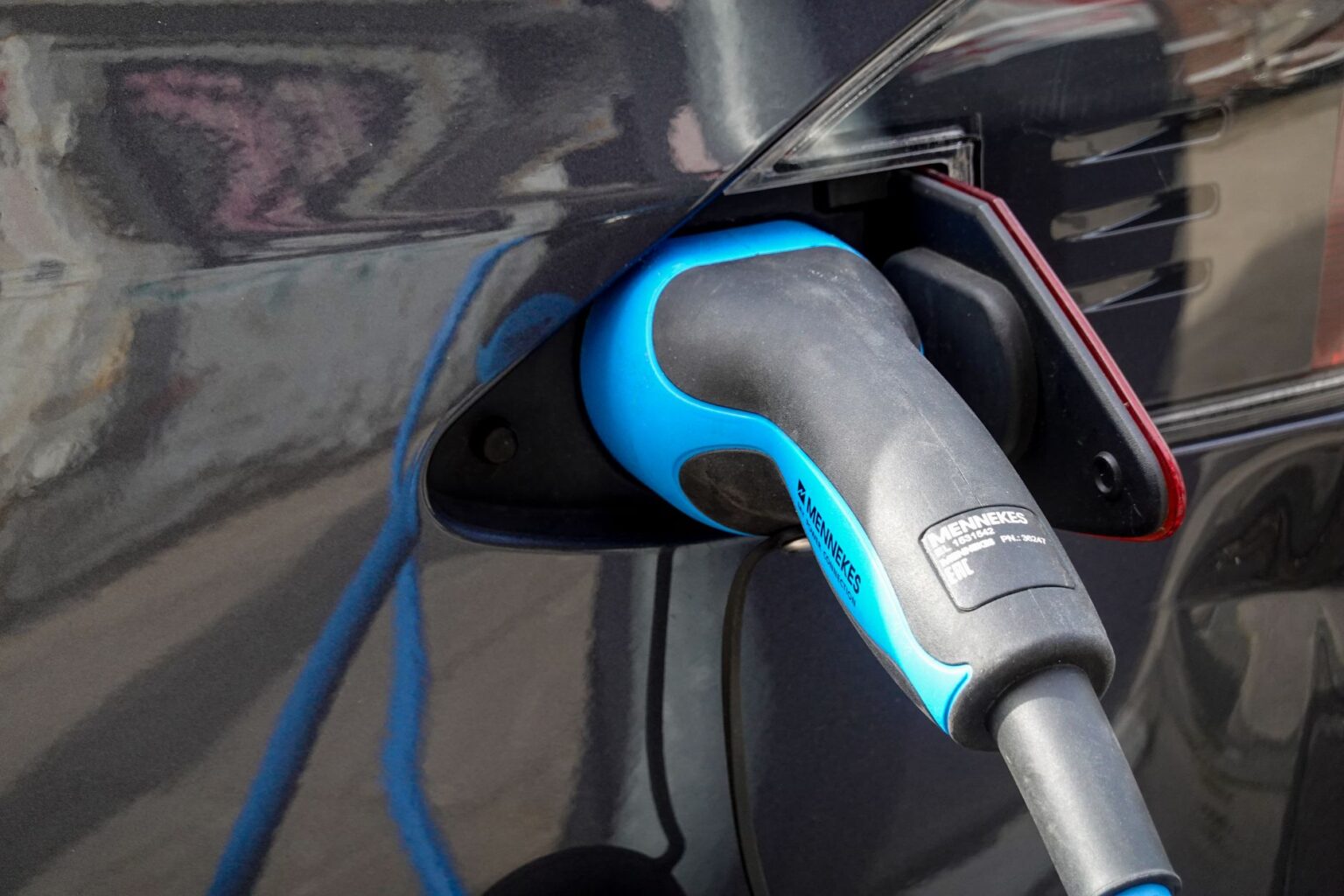
Tesla Superchargers price electricity by the kWh, and as of mid-2026 most US stations charge between $0.42 and $0.49 per kWh — but the same stall can cost more or less depending on where you are and, at some locations, when you plug in.
Where rates run higher or lower
Price tracks local electricity cost. Stations in California, Hawaii, and the urban Northeast tend toward the top of that range, while stations in the Pacific Northwest and Mountain West trend lower.
Time-of-day pricing only applies at some stations
Not every Supercharger uses time-of-use pricing. High-traffic urban stations are the ones most likely to charge more during peak hours — typically midday and early evening on weekdays. Highway corridor stations, the ones you’d actually use on a road trip, generally run flat 24-hour pricing no matter when you arrive.
How to check before you plug in
The Tesla app shows the current price for a station as soon as you navigate to it, before you start a session, so you can see the rate in advance instead of finding out after you’ve charged. If a station you use regularly is on time-of-use pricing and you’re not in a hurry, charging outside the midday-to-early-evening window can save a meaningful amount over a year of regular Supercharging.
Tesla’s in-car trip planner already factors charging stops into a route, but it optimizes for time and battery health, not for catching the cheapest rate at each stop. For everyday local charging, checking the app before you plug in is the only reliable way to know what a given stop will actually cost.
Photo by Magda Ehlers.