Cold air cuts your Tesla’s range before you even leave the driveway. As temperatures drop through October and November across most of the country, it helps to know how much range you can expect to lose in winter, and what you can do about it before the first hard freeze.
Expect less range once temperatures drop
Every electric vehicle loses some range in the cold, and Tesla is no exception. AAA’s May 2026 test of six current EVs found that at 20°F, driving range dropped by an average of 39% compared with the same vehicles tested at 75°F. A separate analysis of more than 30,000 real-world EVs by Recurrent, updated in November 2025, found that EVs overall retain an average of 78% of their range at 32°F and about 70% at 20°F. The Model 3 and Model Y use a heat pump to warm the cabin and battery more efficiently than older resistive heaters, which Recurrent’s data shows helps them hold onto more range than the broader EV average, though every EV loses some range once the heater runs regularly.
Precondition the cabin while you’re still plugged in
One effective way to reduce winter range loss is heating the car before you leave rather than after you get in. Tesla’s “Defrost Car” feature in the mobile app warms the battery and cabin ahead of your departure time, so that energy comes from the wall outlet instead of the battery you’re about to drive on. Using the seat and steering wheel heaters instead of turning up the cabin air can also stretch your range further, since warming the whole cabin takes more energy than warming the seats you’re actually touching.
Let the car precondition before you charge, too
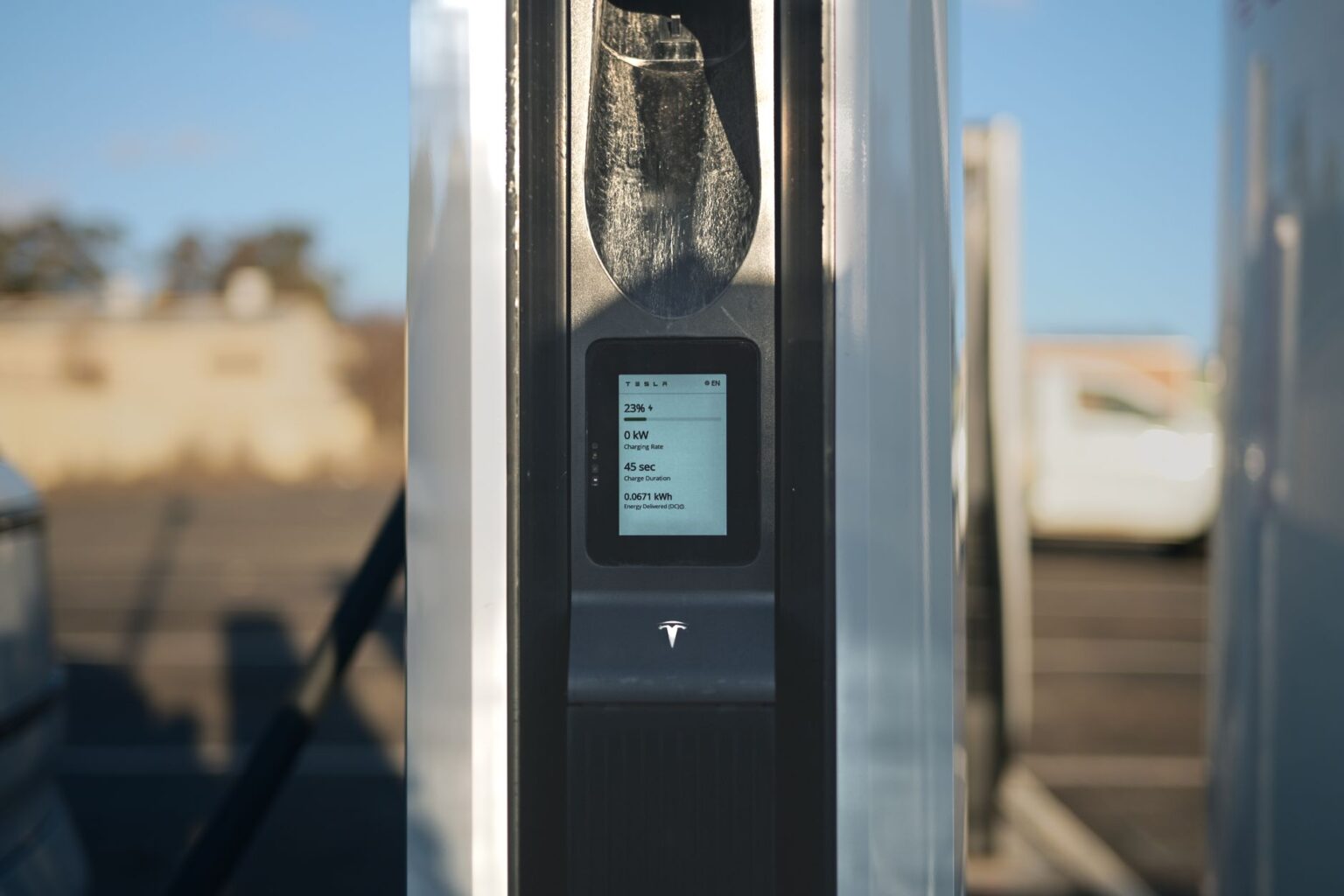
Cold batteries also charge more slowly, so Tesla’s navigation system does extra work when a Supercharger is your destination. Routing to a Supercharger through the car’s own navigation tells the battery to start warming itself during the drive, so it’s closer to the ideal temperature for fast charging when you arrive, instead of starting cold and charging slowly for the first several minutes. Build a little extra time into winter road trips, since lower range and slower cold-start charging both add up over a long drive.
Check tire pressure after the first cold snap
Tire pressure drops as the air inside the tire contracts in the cold, at roughly 1 PSI for every 10°F the temperature falls. That’s why a tire pressure warning often shows up on the first genuinely cold morning of the season, even when nothing is actually leaking. Underinflated tires also reduce range slightly and wear unevenly, so it’s worth checking pressure against the number on the driver’s doorjamb placard once the weather turns, rather than waiting for the warning light to tell you.
None of this requires special winter equipment to start. Preconditioning and navigation-based Supercharger warming are built into the car, and checking tire pressure takes a few minutes with a basic gauge. Doing both before the cold settles in for the season gets you closer to your Tesla’s normal range once temperatures drop.
Photo by Harry Tucker.