Swapping to tires built for an EV’s weight and torque can measurably improve range without touching your Tesla’s software. InsideEVs reports that EV-specific tires use lower-rolling-resistance compounds and reinforced sidewalls designed for the extra weight of a battery pack, which can translate into real range gains over a standard all-season tire.
What makes an EV tire different
Sailun’s ERANGE EV line, one of the more established EV-specific options, uses what the company calls EcoPoint³ compound technology to lower rolling resistance. Sailun states the tire improves its rolling-resistance coefficient by about 15% over a comparable OEM tire, which it translates to roughly 7% more range per charge. The tire also uses reinforced sidewalls to carry a Tesla’s extra curb weight, and comes in sizes that fit the Model 3 (235/45R18) and Model Y (255/45R19).
One owner’s year with them
Replacing all four tires is real money before any range math pays it back — a single ERANGE EV tire for a Model Y runs about $174 at SimpleTire before installation, so a full set is best timed to when you need new tires anyway rather than a swap made purely for range.
Kim Java, who posts family-oriented EV reviews on her channel, published a one-year review of the ERANGE EV on October 6:
Her review covers how the tires held up after a year of regular driving. It’s one owner’s experience, not a substitute for the manufacturer’s own test data above — wear and range gains vary by driving style, climate, and the tires you’re replacing, so treat any specific range number as a starting point rather than a guarantee for your car.
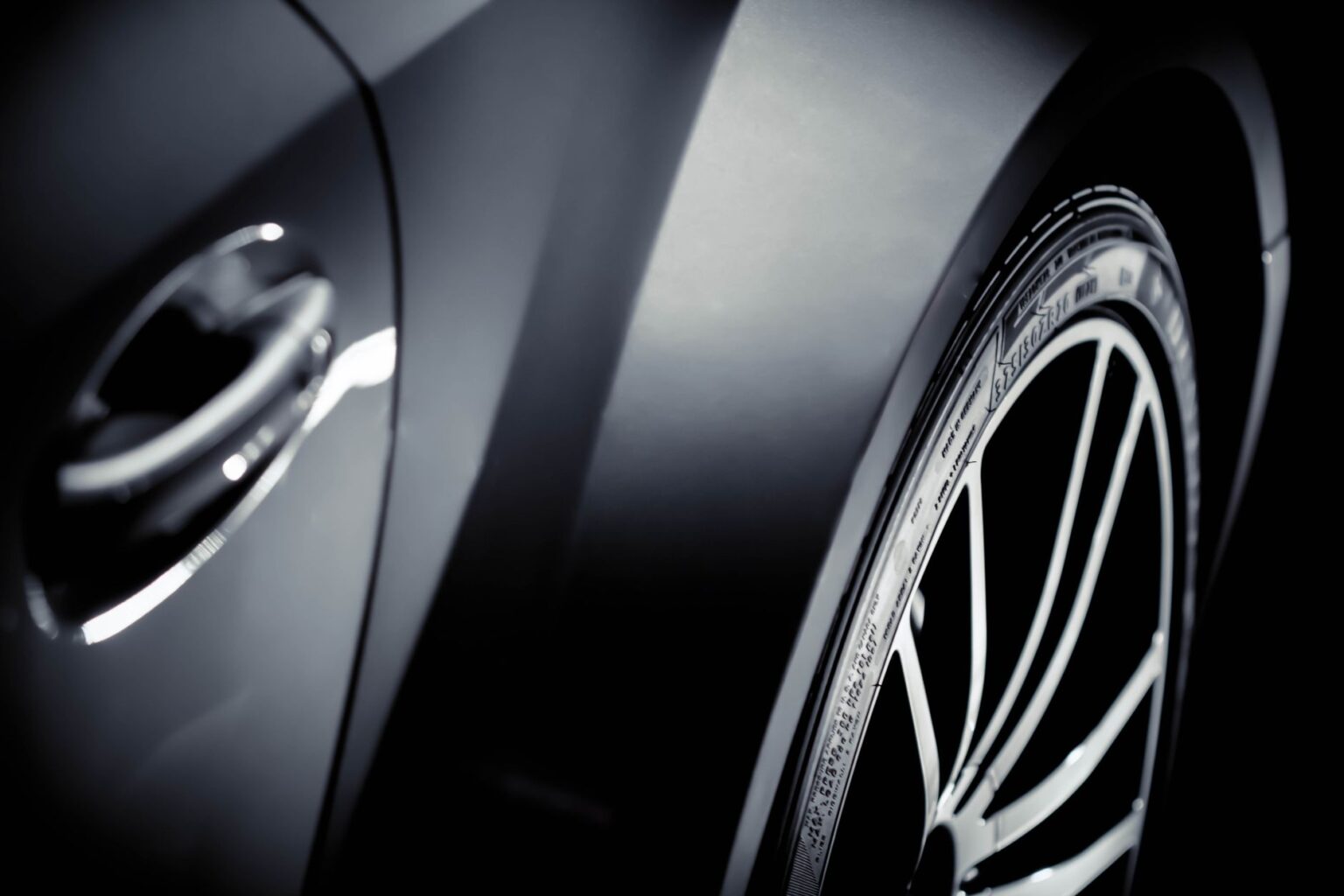
Photo by Rodolfo Clix.