Charging at home costs a fraction of what gas costs per mile, and that gap matters more now that the federal EV tax credit is gone. Here’s the actual math, using current national rates.
The average U.S. residential electricity price was 18.44 cents per kilowatt-hour as of May 2026, according to the U.S. Energy Information Administration. A Tesla Model Y RWD is EPA-rated at 24 kWh per 100 miles — about 0.24 kWh per mile. Multiply those together and a mile of home charging costs roughly 4.4 cents.
Compare that to gas. The national average price for regular gasoline was $4.0121 per gallon on August 9, 2026, per AAA. The average new gasoline vehicle sold in the U.S. gets 27.2 mpg, the most recent measured figure in the EPA’s Automotive Trends Report. That works out to about 14.8 cents per mile — more than three times what home charging costs.
Over 12,000 miles a year, that’s roughly $530 in electricity versus $1,770 in gas — a difference of about $1,240 a year, before factoring in the lower routine maintenance costs of an EV, like no oil changes and less frequent brake work thanks to regenerative braking.
Two caveats before you assume your own number will match. First, this is a home-charging comparison — charging at a Supercharger or another public network costs more per kWh than charging at home, so relying mainly on public charging narrows the gap. Second, electricity rates vary widely by state and utility. An owner in a low-rate state will beat this math; someone paying a high residential rate will land closer to gas parity, though rarely worse.
One thing did change this year on the savings side: the federal EV tax credit ended for vehicles acquired after September 30, 2025, per the IRS, so it’s no longer part of the math for a new purchase. What’s left is the ongoing cost to drive the car — and on that measure, the electricity-vs-gas gap hasn’t moved. It’s just carrying more of the savings story than it used to.
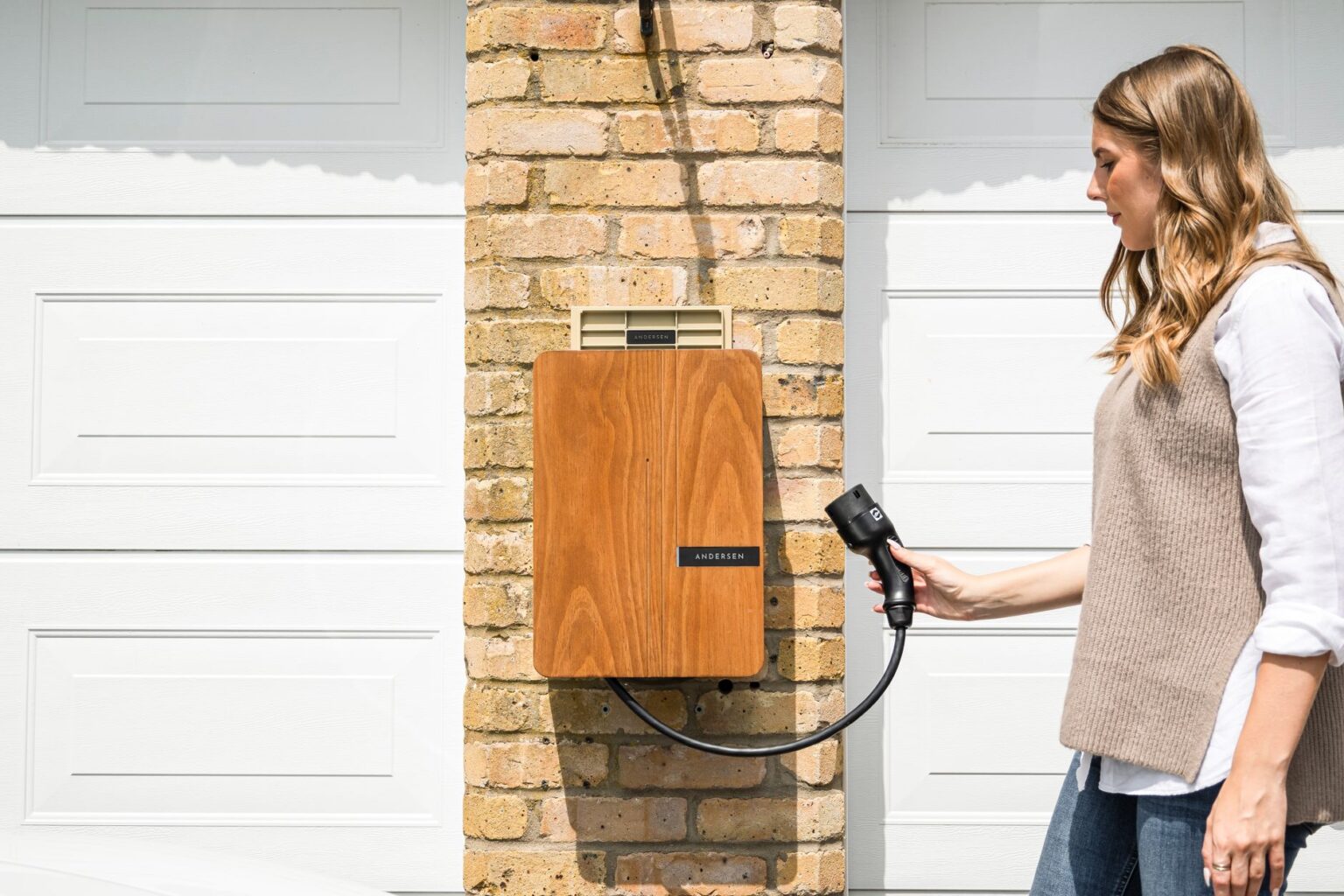
Photo by Andersen EV.