Tesla reported its second-quarter 2026 results on July 22, and the headline numbers cut two ways. Revenue hit a record $28.24 billion, up 26% year over year, and Tesla delivered 480,126 vehicles in the quarter — also a record, up 25% from a year earlier. Profit told a different story: operating income fell 57% to $398 million, pushing operating margin down to 1.4%, and non-GAAP earnings of $0.33 per share came in well under Wall Street’s expectations. Free cash flow turned negative for the first time in more than two years, as capital spending more than doubled to $5.79 billion. The stock fell sharply in the days that followed.
None of that changes what’s sitting in your garage, but a few details in the report do matter if you already own a Tesla or are waiting on one.
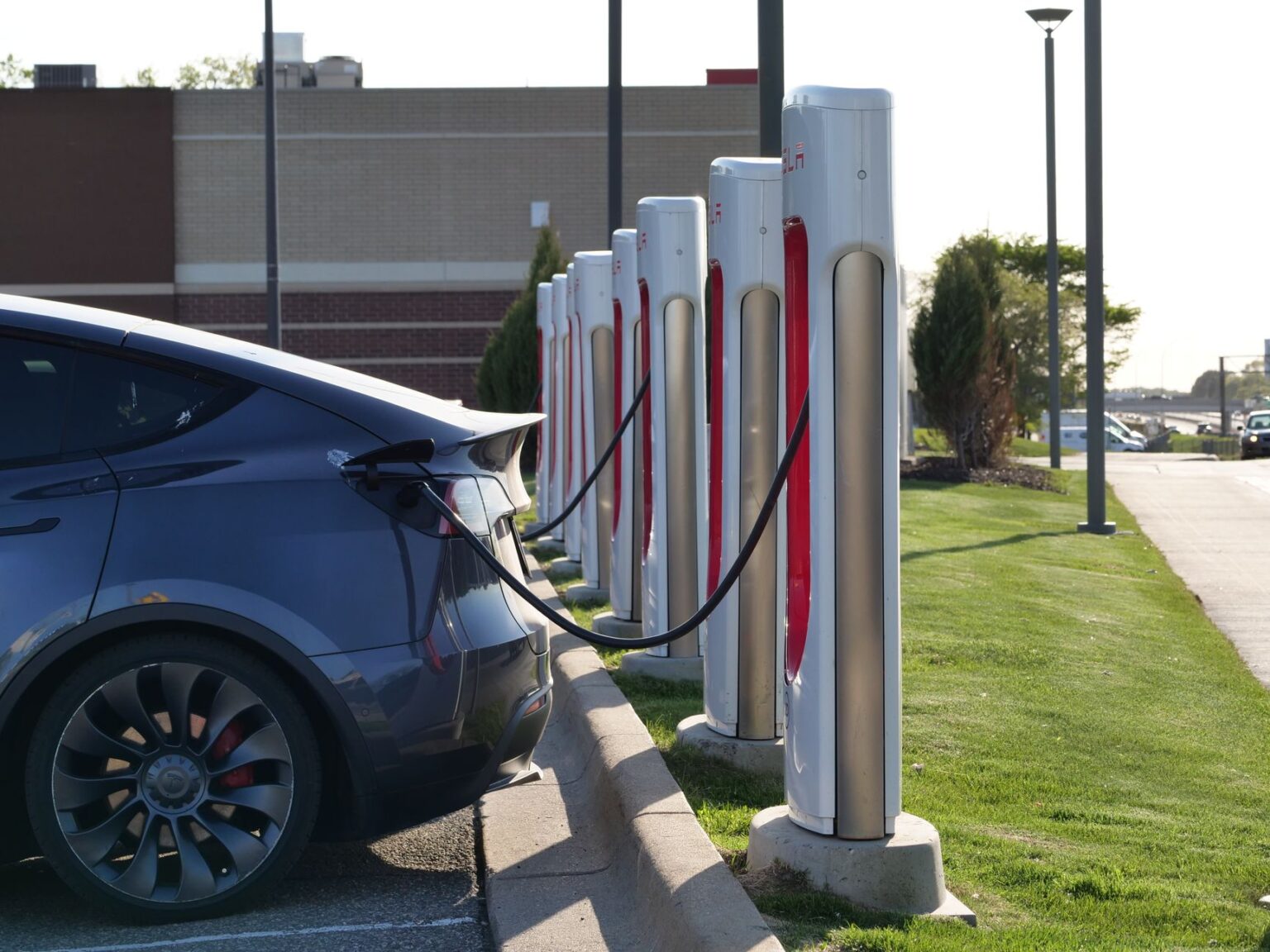
The Supercharger network kept expanding. Tesla ended the quarter with 8,704 stations and 82,357 connectors, up 18% and 17% year over year, with more than 2,400 net new stalls added in the quarter alone. That’s the network you actually rely on for road trips, and it’s still growing faster than the vehicle lineup itself.
Service got more profitable, not less. Tesla’s Services and Other segment — which covers repairs, parts, and used-vehicle sales — posted record quarterly profitability, with gross margin reaching 14%. A service business that makes money is generally a good sign for parts availability and appointment capacity, since it gives Tesla less reason to treat service as a cost center.
FSD and Robotaxi kept scaling. Active FSD subscriptions reached 1.48 million, up 56% year over year, and Tesla’s Robotaxi service expanded to seven U.S. metro areas, including new unsupervised launches in Miami, Orlando, and Tampa in July.
The profit miss traced mainly to two things that don’t touch the ownership experience directly: a collapse in regulatory credit revenue, down to $146 million from $439 million a year earlier following the federal EV tax credit’s expiration, and the capex surge funding Tesla’s AI and robotics push. Whether that spending pays off is a question for investors. For owners, the more relevant facts in this report are the ones about the charging network and the service department you’ll actually use.
Photo by Giant Asparagus.