Tesla’s Extended Service Agreement: what the monthly plan actually costs and covers.
Your Tesla’s factory coverage doesn’t last forever. The Basic Vehicle Limited Warranty covers 4 years or 50,000 miles, whichever comes first, and the Battery and Drive Unit Limited Warranty runs 8 years, with the mileage cap varying by model and trim (100,000 to 150,000 miles). Once the basic warranty lapses, repairs come out of your pocket unless you’ve bought Tesla’s Extended Service Agreement (ESA).
Tesla sells the ESA as a monthly subscription rather than a one-time purchase. Current pricing, from Tesla’s official ESA page, is:
- Model 3: $50/month
- Model Y: $60/month
- Model S: $125/month
- Model X: $150/month
The subscription only kicks in once your original warranty ends. Tesla typically sends enrollment offers in the last three months before your 48-month basic warranty expires, so there is no requirement to decide on day one. Once active, per reporting on Tesla’s ESA terms, coverage extends four more years or 100,000 miles, whichever comes first, with a $100 deductible per repair visit. It also includes Tesla Roadside Assistance.
The ESA covers repair or replacement of most Tesla-manufactured parts that fail under normal use. It does not cover leased vehicles, consumables like the 12V battery, bodywork, accident damage, aftermarket modifications, or ordinary wear and tear, so it is worth reading the exclusions before assuming a given repair qualifies.
Separately, Tesla sells a High Voltage Battery and Drive Unit Extended Service Agreement, a different product currently limited to Model 3 and Model Y. Per Tesla’s battery ESA page, it adds up to 24 months or 30,000 miles of coverage after your original 8-year battery/drive-unit warranty ends, with a $500 deductible per visit. Tesla does not publish a flat price for it; you review the exact cost in the Tesla app when you buy. There is also no grace period: you have to purchase it before your original battery warranty runs out, not after.
If you are weighing whether to enroll, the math is straightforward: multiply the monthly price by however many years you plan to keep the car past its warranty, then compare that to what a single major out-of-warranty repair, such as a drive unit or a charging module, typically costs at a Tesla service center. For owners planning to keep their car long-term, that comparison is usually what decides it, not the sticker price of the subscription itself.
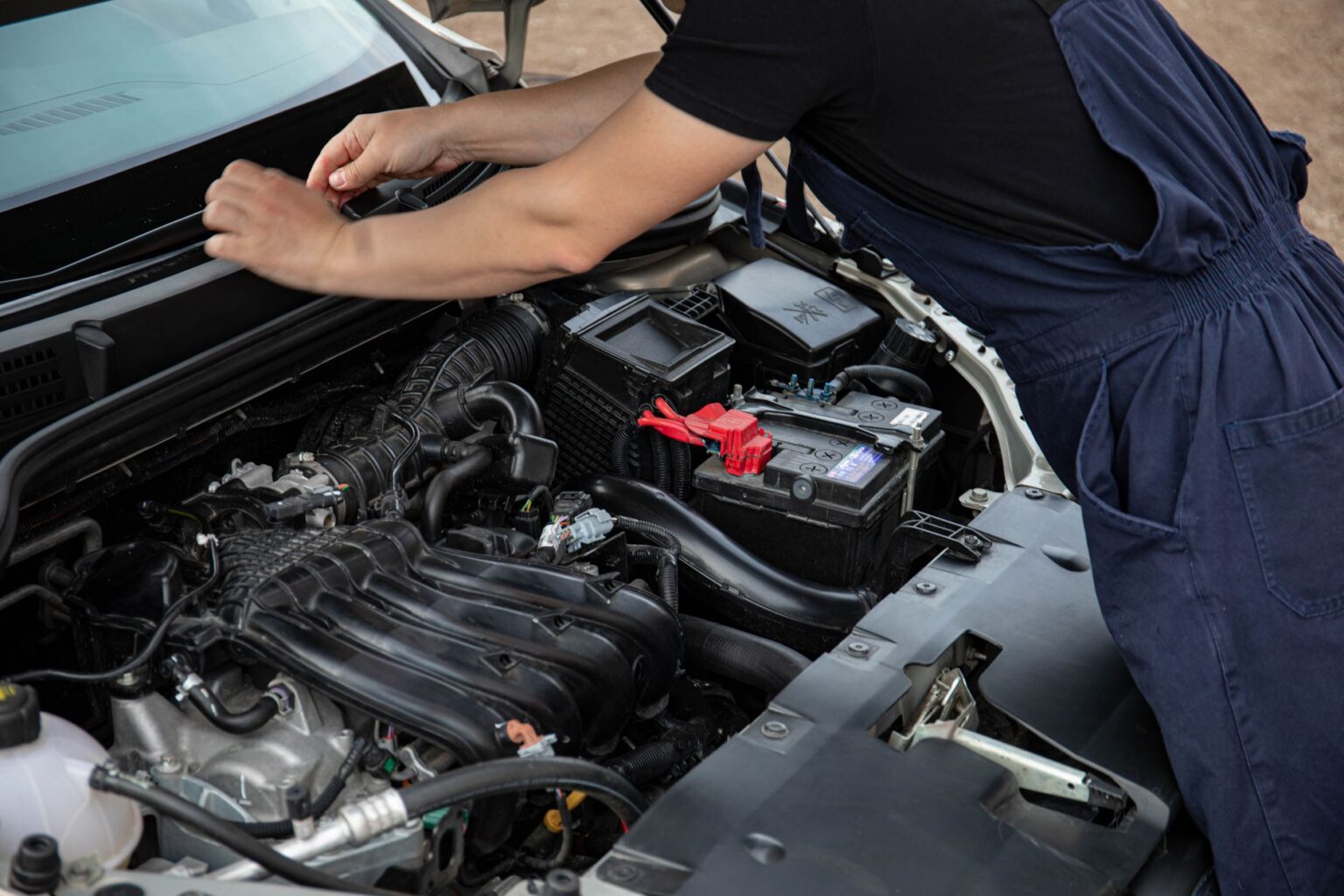
Photo by Sergey Meshkov.