Tesla is set to report its third-quarter 2026 production and delivery numbers today, October 2, a quarterly ritual that matters even if you’re not a shareholder: it’s one of the clearest signs of how much demand, and how many incentives, are shaping what you pay and how long you wait for a car.
What analysts expect
Tesla itself publishes a company-compiled consensus of sell-side analyst estimates ahead of each report. For Q3 2026, that consensus, summarizing projections from 24 financial institutions, calls for 461,974 total vehicle deliveries — about 450,712 Model 3 and Model Y combined, with roughly 11,285 from the rest of the lineup — plus 15.9 GWh of energy storage deployments.
If Tesla lands near that number, it would mark a roughly 4% drop from the 480,126 vehicles delivered in Q2 2026, and about 7% below the record 497,099 delivered in Q3 2025. Wall Street’s individual estimates aren’t tightly clustered, either: they range from about 422,000 on the low end to 482,000 on the high end, reflecting real disagreement about how much of last year’s pace was pulled forward by the federal tax credit’s expiration.
Why the range is so wide
Part of the uncertainty traces back to the credit itself. The $7,500 federal EV tax credit expired for vehicles acquired after September 30, 2025, which pulled a wave of buyers into dealerships ahead of that deadline last year and set up a tougher year-over-year comparison now that the incentive is gone nationally.
What this means if you’re ordering now
A delivery report doesn’t change your price, your incentive eligibility, or your build slot directly — those are set at order time. But a weaker quarter can shift how aggressively Tesla prices and discounts in the following weeks, so it’s worth checking back once the actual numbers post this afternoon rather than planning around the consensus figure alone.
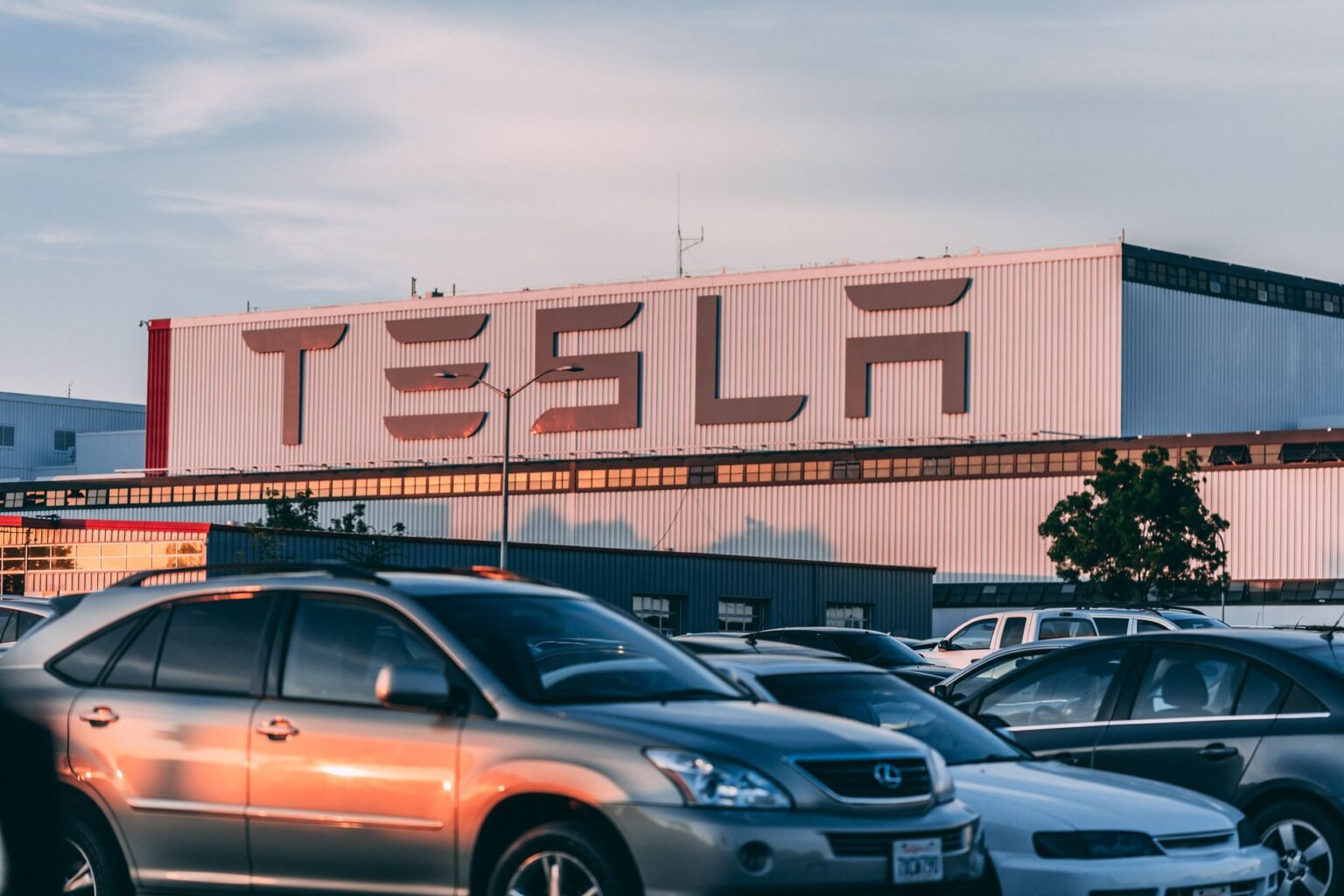
Photo by Craig Adderley.