The federal $7,500 credit is gone, but that does not mean every EV incentive disappeared with it. States and utilities run their own programs, separate from the IRS, and several are still paying out in 2026. The catch: they change often, so what applies to you depends on where you live and what your utility offers.
The best starting point is the Department of Energy’s Alternative Fuels Data Center, which tracks state and utility EV incentives by location, or the DSIRE database run by NC State, which does the same for energy programs generally. Both are free and updated more often than most articles on the topic, including this one.
A few concrete examples that are verified active right now:
Colorado offers an Innovative Motor Vehicle Credit against state income tax for new EVs and plug-in hybrids. For 2026 the base credit dropped to $750, down from $3,500 in prior years, though vehicles with an MSRP under $35,000 can add another $2,500. The vehicle’s MSRP has to be under $80,000 either way. A base Model 3 currently prices above the $35,000 cutoff, so most Tesla buyers in Colorado would see the smaller $750 credit.
Connecticut’s CHEAPR program pays a standard $1,000 rebate on new battery-electric vehicles with a base MSRP under $50,000, and Tesla is listed as an eligible manufacturer. Buyers who qualify by income can receive up to $4,000 combined through the Rebate+ tier.
Massachusetts’ MOR-EV program offers a $3,500 rebate on new EVs with a total MSRP of $55,000 or less. That currently covers a rear-wheel-drive Model 3, but the Model Y’s price puts it over the cap, so it does not qualify.
New Jersey’s Charge Up New Jersey normally pays $1,500 to $4,000 off a new EV at the point of sale, but as of late July 2026 the program says its funding is fully allocated and it is paused to new applications. That is a useful reminder: these are budgeted state programs, not open-ended tax law, and they can run dry mid-year.
Utility rebates for home charger installation are a separate track worth checking, since they come from your electric company, not the state. PG&E in California covers up to 50 percent of an approved Level 2 charger’s cost for most customers, and up to $5,000 including a panel upgrade for income-qualified households. Puget Sound Energy in Washington offers up to $300 toward a charger, or up to $600 for the charger plus $2,000 toward installation for income-qualified customers. Amounts and rules vary by utility, so check your provider’s website directly.
Two perks are worth flagging as no longer available, since older advice still circulates. California’s Clean Air Vehicle decal program, which let solo EV drivers use carpool lanes, ended October 1, 2025, after its federal authorization expired. And the state’s well-known Clean Vehicle Rebate Project has been closed to new standard-income applicants since November 2023.
Before you buy, check your state energy office and your utility’s EV page directly rather than relying on a dealer’s estimate or an older article. Funding windows open and close throughout the year, and eligibility often hinges on a vehicle’s exact trim and price at the time of purchase.
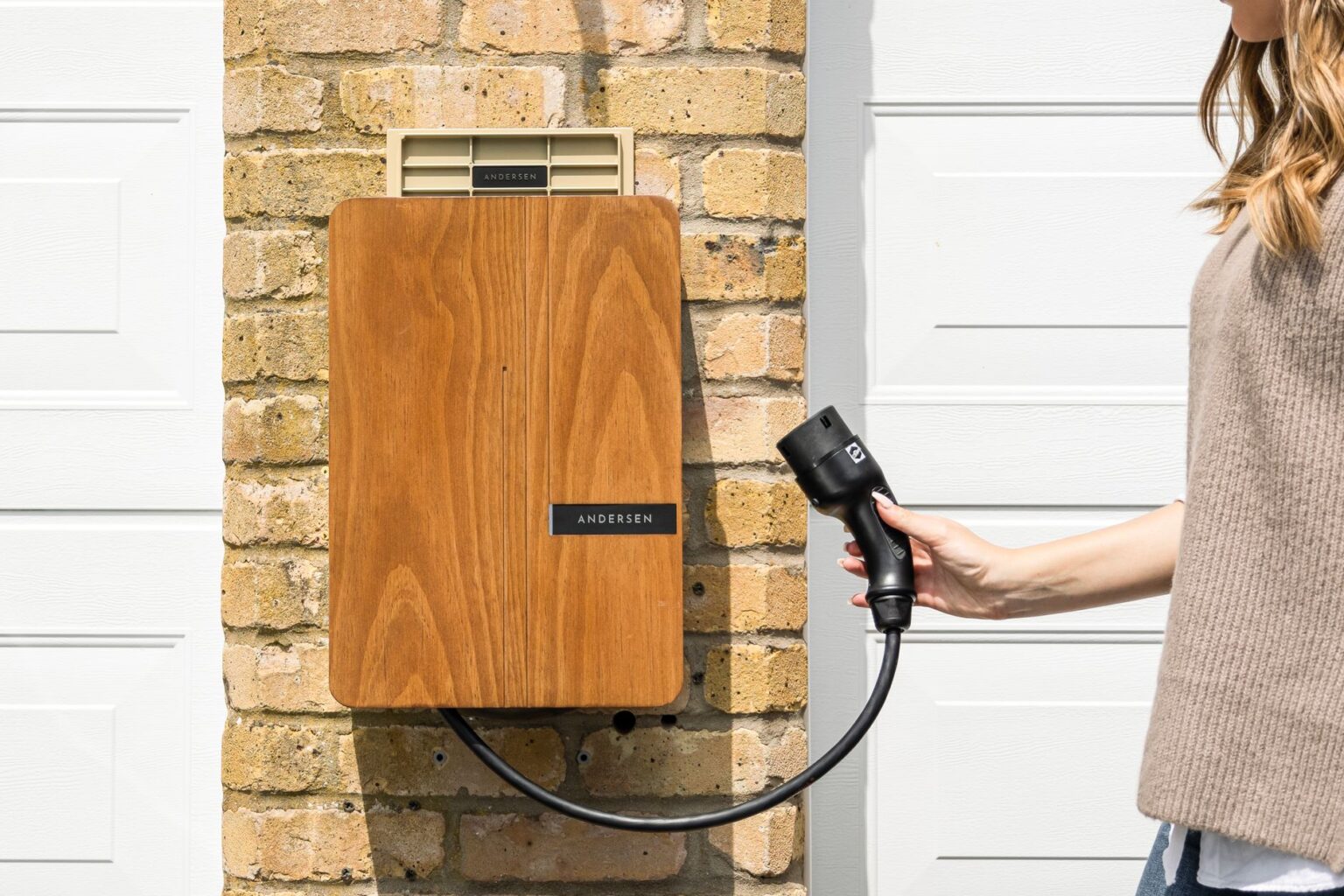
Photo by Andersen EV.