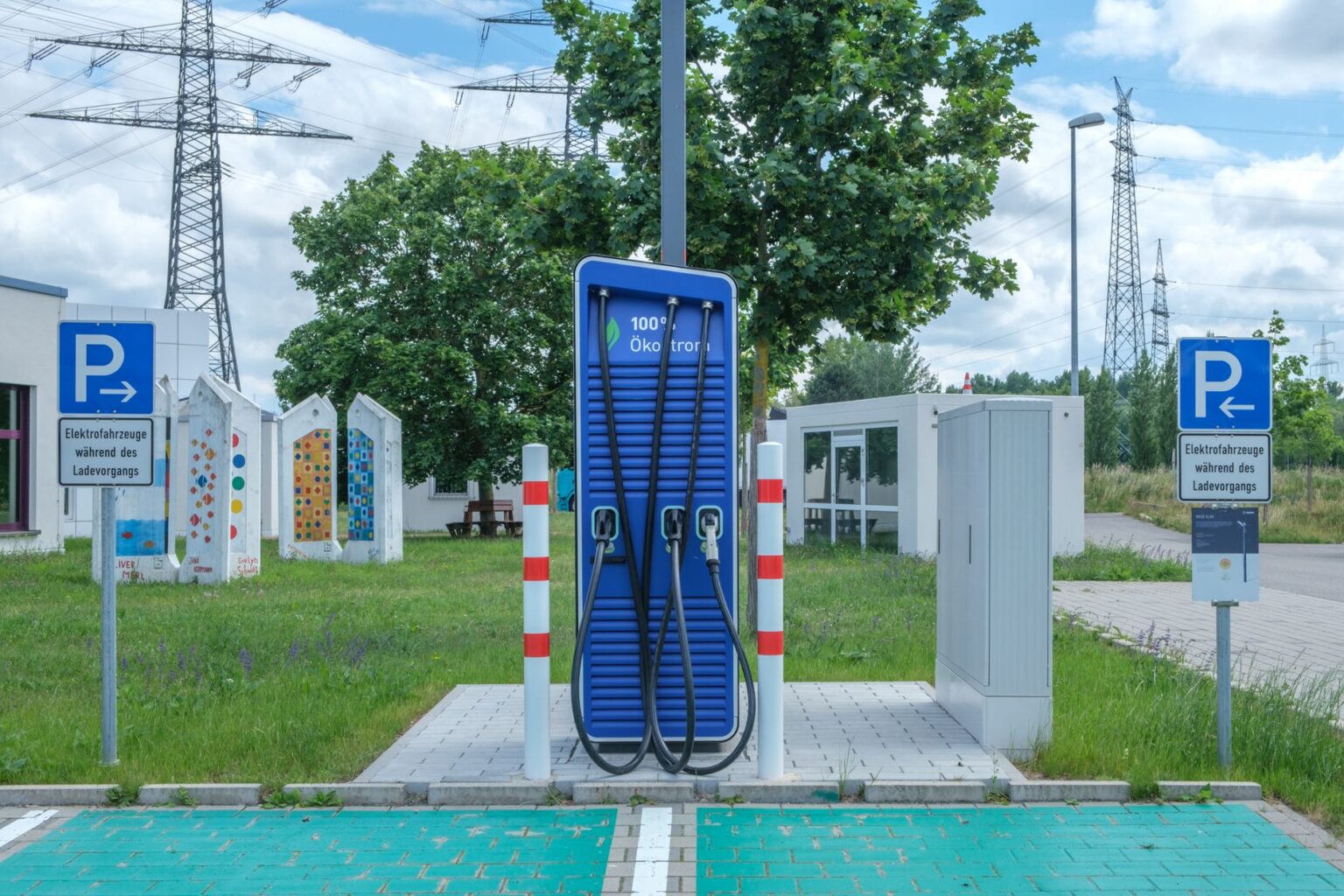
Non-Tesla EVs can charge at most Superchargers now. Here’s what that means for you.
The Supercharger network you rely on isn’t just for Teslas anymore. Tesla has been opening stalls to other brands’ EVs for a couple of years now, and the rollout has reached the point where it changes what you can expect at a busy station.
Most of the network is now shared
As of April 2026, about 70% of Tesla’s roughly 80,000 Supercharger stalls — across roughly 60% of sites — are open to non-Tesla EVs, according to independent tracking data cited by evchargingstations.com (April 1, 2026) and separately confirmed by Electrek (May 12, 2026). InsideEVs lists Ford, GM’s brands, Rivian, Hyundai/Kia/Genesis, Volvo, Polestar, Nissan, Lucid, Mercedes-Benz, Honda/Acura, Audi, Porsche, Toyota, Volkswagen, BMW, and Stellantis brands as having confirmed access as of March 2026. Tesla is also still growing the network itself — it added roughly 2,500 stalls in the first quarter of 2026 alone.
How other EVs actually plug in
If your Tesla uses the standard NACS plug, nothing changes for you. Other automakers’ EVs either come with a manufacturer-supplied adapter that lets their CCS1 charge port work with a NACS stall, or use Tesla’s “Magic Dock” stalls, which have a built-in adapter on the pedestal. Tesla’s own support page describes both options. Magic Dock stalls are a shrinking share of new installs, though — most new Supercharger sites are NACS-only, and most automakers now sell their own adapter instead, according to Recharged’s tracking of Magic Dock locations.
What it means for wait times
Tesla has said long waits happen in about 1% of charging sessions, but with 53 million sessions in the first quarter of 2026 alone, that’s still hundreds of thousands of instances of someone waiting, per Electrek. Tesla is piloting a virtual queue system at five locations as of May 2026 to manage it, though it’s honor-system only for now, not enforced at the stall. If you hit a full station, Tesla’s existing idle-fee policy still applies once your car reaches 80% charge or your session ends at a busy site — a 5-minute grace period to unplug, per Tesla’s support page, so don’t treat a Supercharger stop as a place to leave your car parked.
What it means for pricing
Tesla has said non-members pay roughly a 40% premium over what Tesla vehicles pay without a paid membership; Electrek’s own pricing checks in April 2026 found the real-world gap closer to 30-35% at the locations it checked. That premium is what non-Tesla drivers pay, not something that changes your own per-kWh rate as a Tesla owner.
Bottom line
You’ll likely see more non-Tesla EVs at Superchargers than you used to, especially at busy sites near highways. Nothing about how you charge changes, but it’s worth knowing why a station might be fuller than it used to be — and why Tesla is starting to test queueing tools to manage it.
Photo by Reinhard Bruckner.
Tags