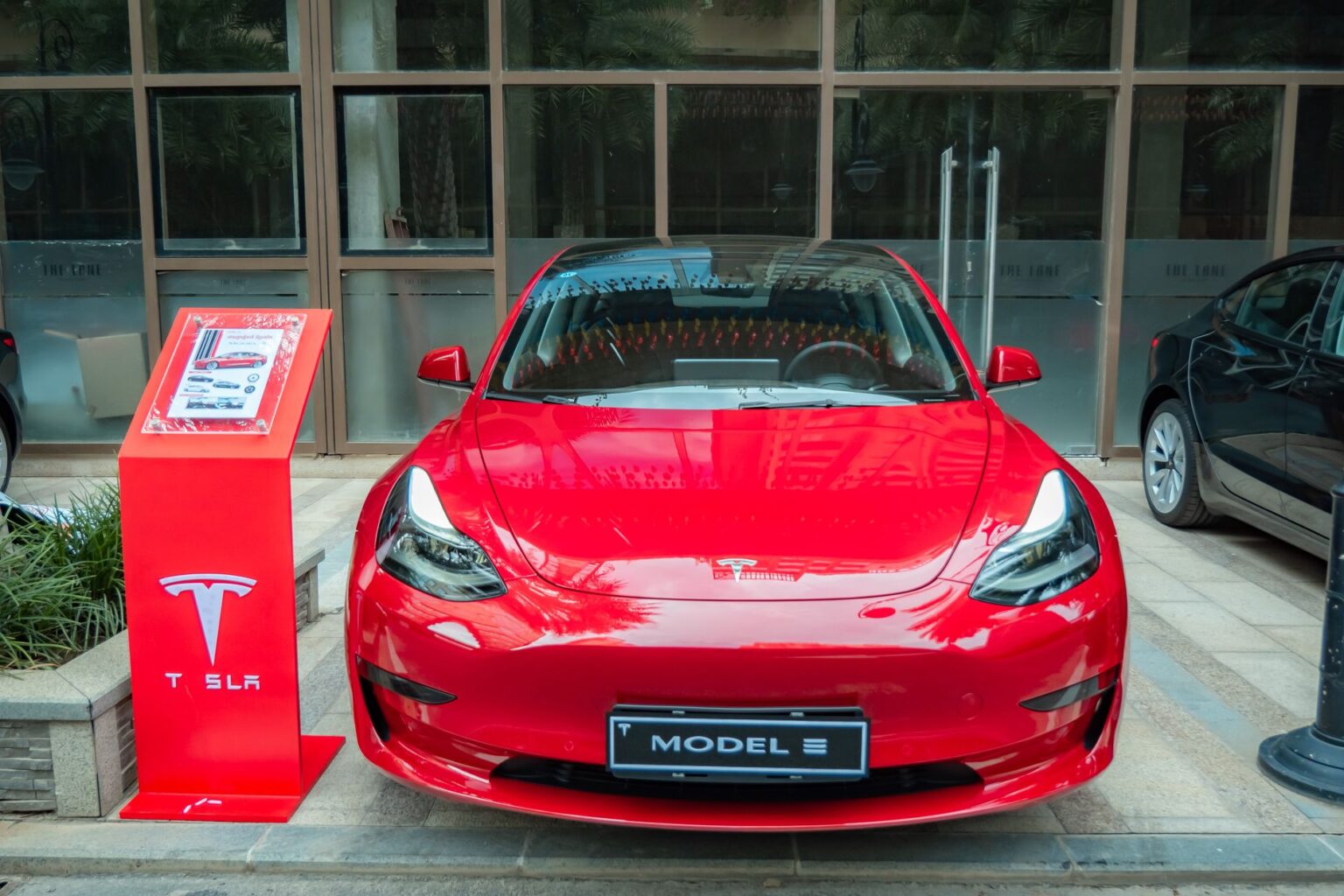
Tesla built part of its early reputation on strong resale value, and for years that held up in owner surveys and pricing data. By 2026, the picture is more mixed. Tesla models still outperform most other electric vehicles on value retention, but they depreciate faster than the average new vehicle across all fuel types, and Tesla’s own pricing decisions have become one of the biggest variables in what a used one is worth.
What the current data shows
According to a 2026 study by iSeeCars, the average vehicle loses about 41.8% of its value over five years, while the average electric vehicle loses roughly 57% to 59%. Tesla’s results sit inside that EV range, but vary widely by model. The Tesla Model 3 retains about 45.5% of its value after five years, the best of any Tesla and better than the typical EV. The Cybertruck retains roughly 43.2%, and the Model Y retains about 41.9%. The Model X and Model S trail, retaining roughly 38.8% and 37.9% respectively, putting them among the weaker performers in the broader new-car market, not just among EVs.
CarEdge’s separate analysis puts Tesla’s brand-wide average five-year depreciation at 61%, meaning the typical Tesla retains about 39% of its original price after five years. That analysis also found that 2022 model-year Teslas offer relatively strong value on the used market, selling for around 44% of their original MSRP while retaining about 75% of their expected useful life.
Why Tesla’s new-car pricing moves the used market so much
Tesla sells directly to consumers and adjusts prices more frequently than most legacy automakers, and every cut to a new Model 3 or Model Y has historically pulled used prices down with it. When Tesla cut new-vehicle prices in January 2023, iSeeCars found that used Tesla values dropped 4.8% in the following month, compared with a 1.5% drop across the broader used-car market — roughly three times the market’s rate, as of that February 2023 study. Because a used Tesla is competing against a new one from the same seller, a lower sticker price on a new model directly compresses what buyers are willing to pay for a comparable used one.
That dynamic has shifted somewhat more recently. iSeeCars data covering September 2025 through January 2026 found that used Tesla prices rose about 4.3% while the rest of the used EV market fell about 3.6% over the same period, a divergence that followed the September 30, 2025 expiration of the federal used-EV tax credit and a broader pullback in used-EV demand. In practical terms, a buyer’s timing relative to Tesla’s own new-vehicle pricing announcements can matter more for resale value than the age or mileage of the car itself.
Warranty coverage factors into what a used Tesla is worth
Tesla does not run a certified pre-owned program the way most legacy automakers do. Used Teslas sold directly by Tesla go through a 102-point inspection rather than a branded CPO certification, and vehicles sold privately carry no factory recertification at all. What does transfer is the remaining factory coverage: the balance of the original battery and drive unit limited warranty — 8 years and 100,000 to 150,000 miles depending on the model, with a minimum 70% battery capacity guarantee — carries over to a new owner when the sale is processed through Tesla. For Model 3 and Model Y vehicles nearing the end of that coverage, Tesla also offers a Battery & Drive Unit Extended Service Agreement, which adds up to 24 months or 30,000 miles of coverage for roughly $2,000, though it covers component failure rather than gradual range loss and must be purchased before the original warranty expires. A buyer evaluating a used Tesla should check how much of that original warranty period and mileage remain, since it affects both the car’s price and how much risk the buyer is taking on after purchase.
What this means when shopping
Resale value for any individual Tesla depends on the model, the trim, remaining battery warranty, and where Tesla’s new-car pricing stands at the time of sale. A Model 3 has consistently outperformed other Tesla models and most EVs on value retention, while the Model S and Model X have depreciated faster than the broader new-car market average. Because Tesla can and does change new-vehicle prices with little notice, a used Tesla’s value can shift within weeks of a pricing announcement in ways that used gas-powered cars typically do not experience.
Photo by Makara Heng.