Tesla delivered 480,126 vehicles worldwide in the second quarter of 2026, according to the company’s official production and delivery report published July 2. It’s the best second quarter in the company’s history and the first year-over-year delivery increase after two straight years of decline.
Tesla produced 451,758 vehicles during the quarter and delivered more than it built, which means the company worked down roughly 28,000 vehicles of existing inventory rather than adding to it, according to Electrek’s analysis of the report. That reverses a buildup of about 50,000 excess vehicles that had accumulated in the first quarter of 2026.
How this compares to expectations
Deliveries came in about 74,000 vehicles above the average Wall Street forecast, which had called for roughly 406,000 deliveries, per Electrek’s pre-report consensus tracking. Even the most optimistic analyst estimates, in the 418,000-to-420,000 range, fell well short of the actual number. Deliveries were also up 25% from the same quarter last year, when Tesla delivered 384,122 vehicles — and this quarter’s total is the second-highest of any quarter in company history, trailing only the 497,099 vehicles delivered in the third quarter of 2025.
The Model 3 sedan and Model Y SUV accounted for 467,762 of the quarter’s deliveries. The remaining 12,364 covers the Model S, Model X, Cybertruck, and Semi combined. Tesla doesn’t break out delivery figures by individual model beyond the Model 3/Y grouping in its quarterly reports.
What’s behind the jump
The comparison is notable because it isn’t riding the same tailwind as last year. Q2 2025 deliveries were inflated by a rush of buyers trying to close deals before the US federal EV tax credit and similar rebate programs in other countries expired, which made this year’s growth, arriving without that same incentive push, more of a demand signal than the raw percentage alone suggests.
Coverage from Yahoo Finance points to a few concrete factors instead: Tesla introduced lower-priced variants of the Model 3 and Model Y earlier this year, expanded its Full Self-Driving (Supervised) software into additional European markets, and saw a bump in European demand tied to a spike in fuel costs during the quarter. None of that changes what you pay for a Tesla today, but it helps explain where the extra volume came from.
Tesla shares actually fell after the report — down roughly 7.5% on the day, per the same Yahoo Finance coverage — a reminder that a single quarter’s delivery beat doesn’t map cleanly onto stock performance, and isn’t something that should factor into an ownership decision either way.
Energy storage grew too
Tesla’s energy storage business — the Powerwall and Megapack products — deployed 13.5 GWh of storage in the quarter, up 40% from 9.6 GWh a year earlier. That’s a smaller beat than the vehicle side: it came in slightly below the roughly 13.8 GWh analysts had expected.
What it means if you own or are ordering a Tesla
A quarter where Tesla delivers more cars than it builds is generally good news if you’re waiting on a new order: it suggests the company is working through existing inventory rather than letting a backlog grow, which historically correlates with more predictable delivery windows rather than longer ones. It doesn’t tell you anything directly about pricing or incentives — those are set separately, change independently of delivery reports, and are worth confirming directly on Tesla’s order pages before you buy.
If the lower-priced Model 3 and Model Y variants mentioned above are part of what drove this quarter’s numbers, it’s a good sign that Tesla is actively working the price end of the lineup — worth checking current configurator pricing if a more affordable trim is what’s been holding you back from ordering.
For current owners, strong delivery and energy deployment numbers are one input, among many, into the broader health of the company that built your car and, if you have one, your Powerwall or home charging setup. But a single quarter’s delivery count isn’t a signal about your vehicle’s warranty, service network, or software support, which are governed separately and haven’t changed as a result of this report.
Tesla is scheduled to release full second-quarter financial results on July 22, 2026, which will include more detail on margins, energy business profitability, and forward guidance than the delivery report alone covers. Its next production-and-delivery report will cover the third quarter and typically arrives in the first few days of October.
One more data point worth keeping in perspective: this quarter also beat Tesla’s previous Q2 record of 466,140 vehicles, set back in 2023, by roughly 14,000 units. Combined with the swing from a 50,000-vehicle inventory buildup in Q1 to a 28,000-vehicle drawdown in Q2, the numbers suggest Tesla matched production more closely to actual demand this quarter than it had in the recent past — which, if it holds, is generally the kind of trend that supports steadier delivery timelines for new orders rather than the swings buyers have sometimes seen around quarter-end pushes.
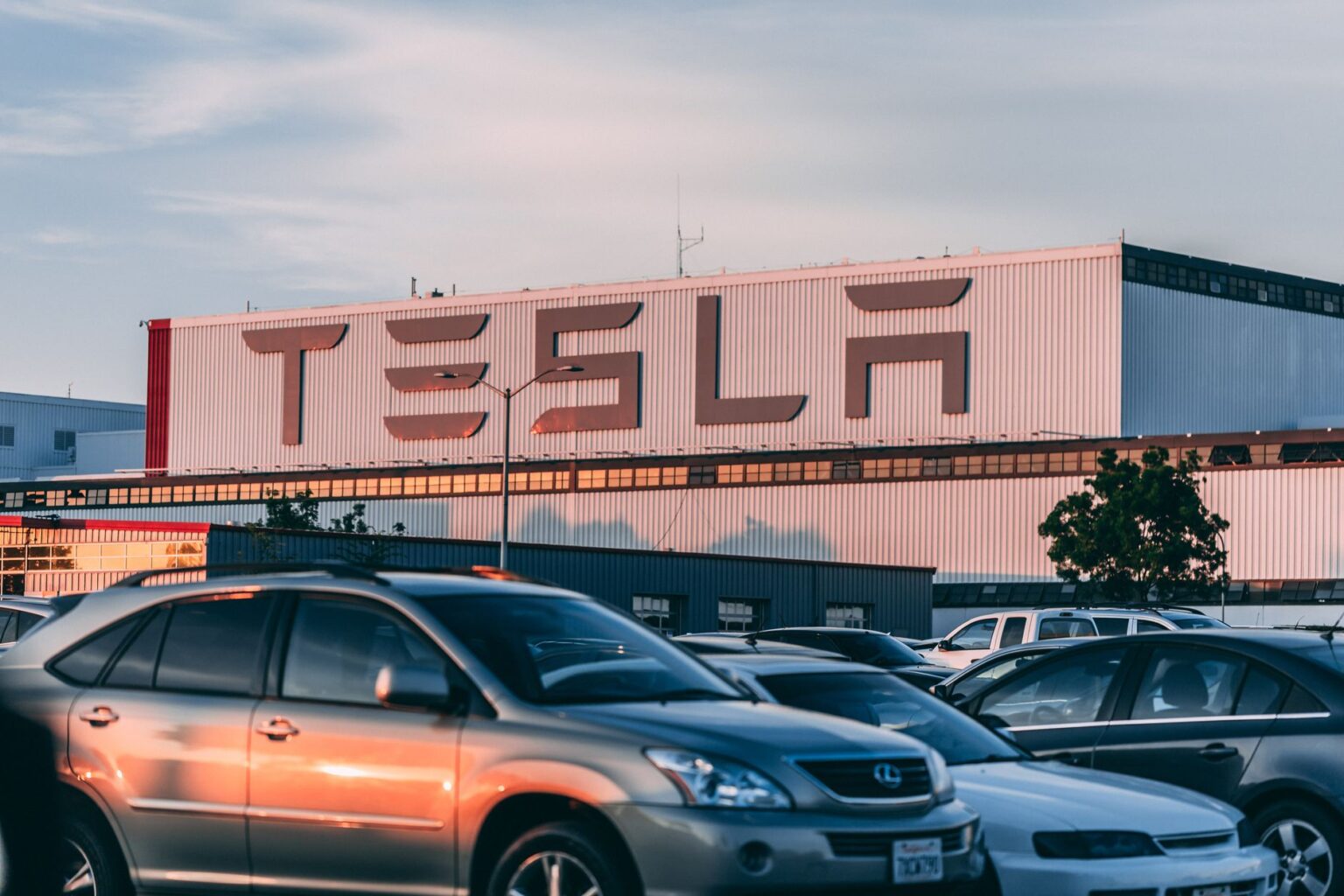
Photo by Craig Adderley.