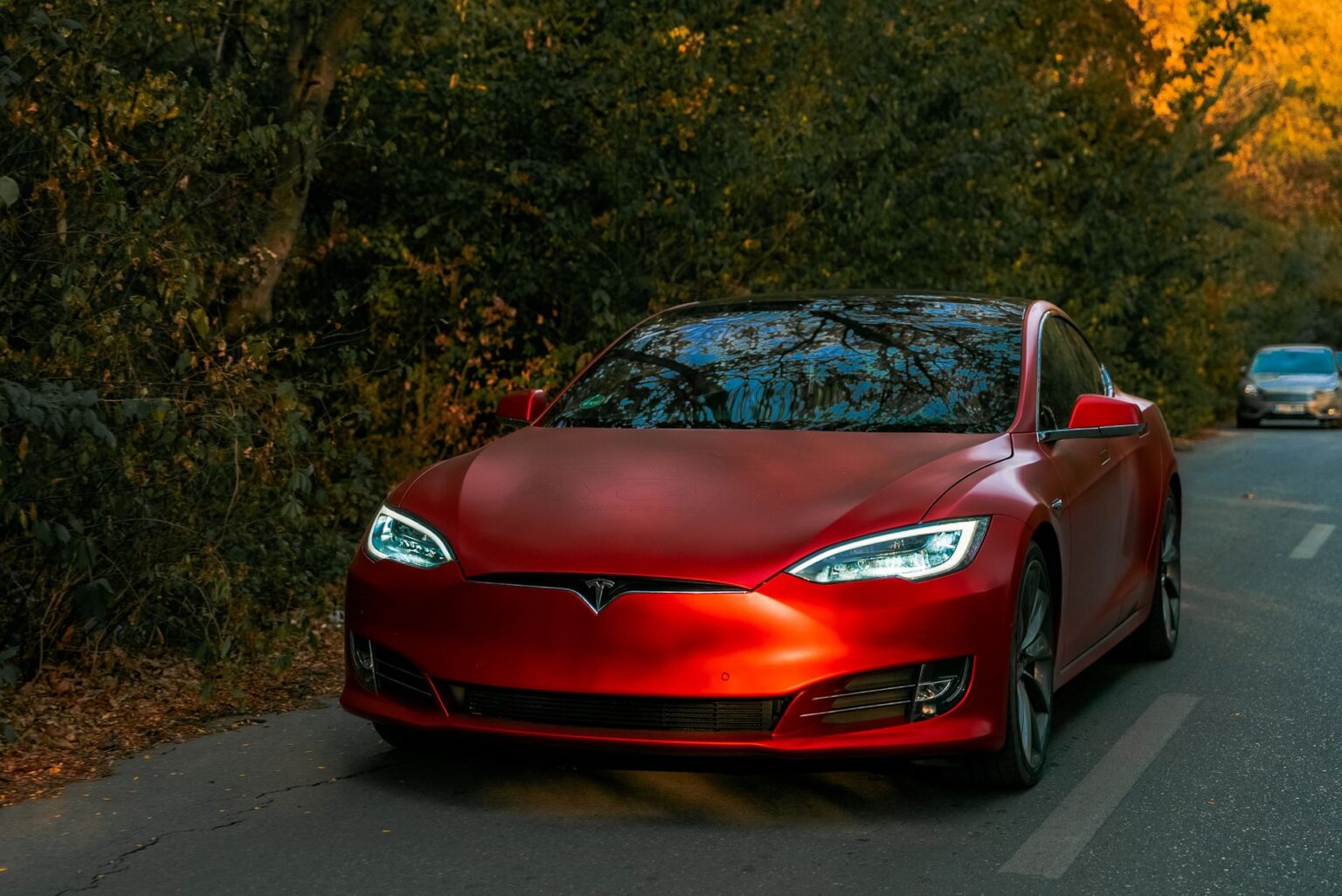
Tesla’s flagship sedan comes in just two trims: Model S and Model S Plaid. That makes the decision simpler than picking between Model 3’s several trims, but the gap in price and performance between the two is bigger than you might expect.
Pricing on Tesla vehicles moves often, so treat these as figures as of July 2026 and confirm current pricing on tesla.com before ordering. According to Kelley Blue Book’s 2026 Model S specs page, the base Model S starts at $86,380, while Model S Plaid starts at $101,290 — a roughly $15,000 gap. InsideEVs reported similar figures ($86,630 and $101,630) when Tesla refreshed the Model S lineup, so treat the exact dollar amount as approximate rather than fixed.
The base Model S is a dual-motor, all-wheel-drive car making about 670 horsepower, with an EPA-estimated range of 410 miles and a 0-60 mph time of 3.1 seconds, per KBB’s specs page. That’s already quicker than the vast majority of cars on the road, and the range is among the best of any EV sold today.
Model S Plaid adds a third motor for a tri-motor, 1,020-horsepower setup. Tesla’s own claimed 0-60 time is about 2 seconds, though Edmunds’ independent testing measured it slightly slower, at 2.3 seconds — still dramatically quick either way. The tradeoff is range: Plaid’s EPA estimate drops to 368 miles, about 40 miles less than the base car, since the extra motor and performance hardware add weight and draw more power. Top speed is the other clear differentiator: 130 mph for the base Model S versus 149 mph for Plaid, per KBB.
For most buyers, the base Model S is the more sensible pick. It already covers long road trips comfortably on a single charge and outruns nearly everything else at a stoplight, all for around $15,000 less. Plaid makes the most sense if the extra acceleration and top speed are the point — it’s a car built around performance, not incremental improvements to daily livability.
Both trims got a round of updates as part of the current model year, including adaptive headlights and refreshed interior touches, based on InsideEVs’ coverage of the refresh. If those broader changes matter to your decision, it’s worth reading a fuller review before you configure your order, since exact features can vary by build.
Photo by David Viorel.