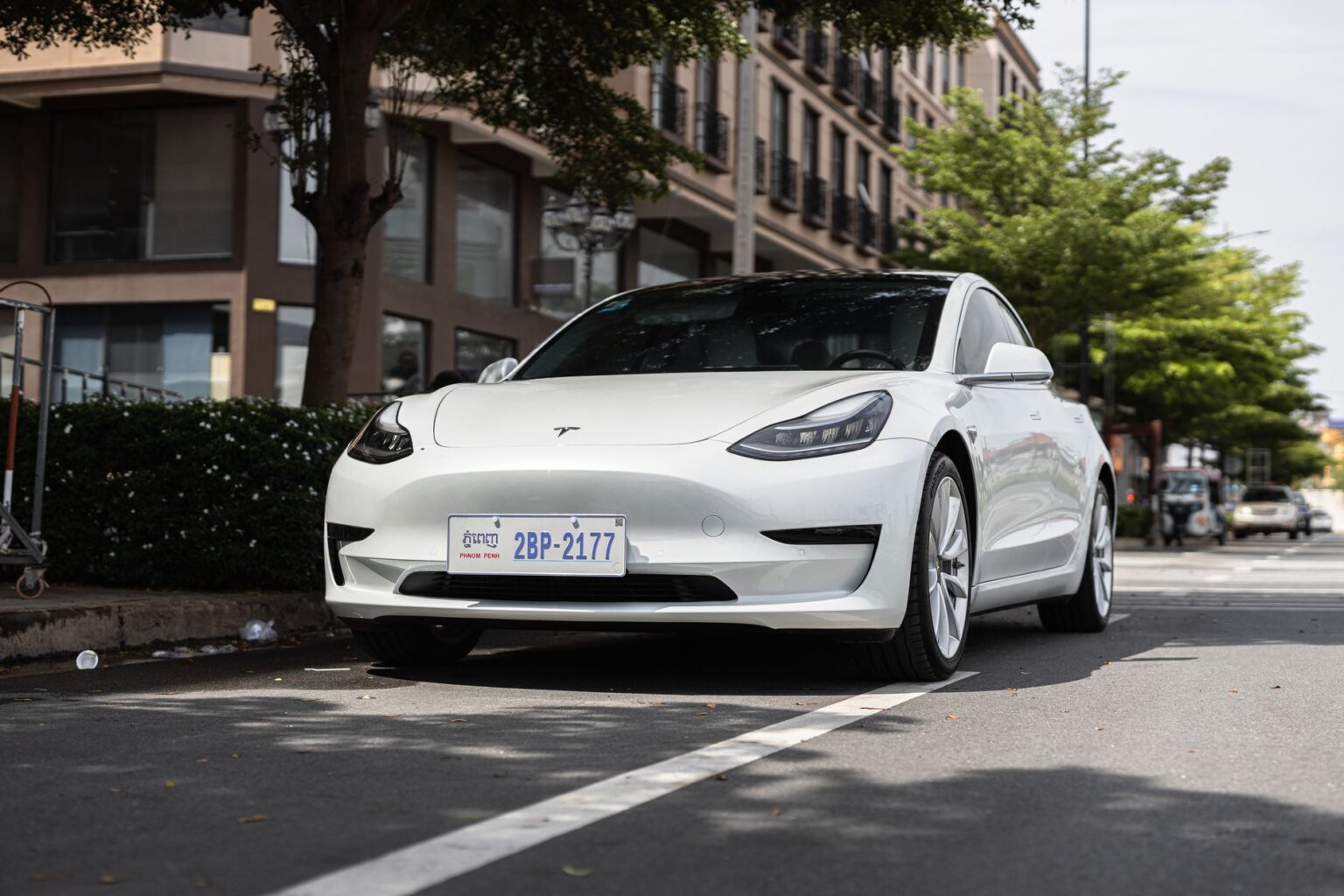
The National Transportation Safety Board has released a preliminary report on a fatal crash involving a Tesla Model 3 in Katy, Texas, and the findings center on how the vehicle’s Full Self-Driving (Supervised) system was being used in the moments before impact.
According to the NTSB’s investigation summary, the crash occurred on June 19, 2026, on Rose Hollow Lane, a residential street with a 30 mph speed limit. A 2025 Tesla Model 3, occupied only by its driver, left the roadway, partially entered a driveway, and struck a house, causing one fatality. The NTSB states that electronic data recovered from the vehicle showed the driver “manually overrode FSD (Supervised) by pressing the accelerator pedal to 100%,” and that the car’s speed exceeded 70 mph at the time of the crash.
The agency’s report is explicitly preliminary. Under NTSB procedure, a preliminary report lists the facts gathered so far without assigning cause; that determination comes only in a later final report, which can take a year or more to complete. The NTSB says all aspects of this crash remain under review as the investigation continues. Separately, the National Highway Traffic Safety Administration has opened its own review of the incident, according to CNBC, as part of the agency’s ongoing oversight of Tesla’s driver-assistance systems.
For current owners, the report itself is narrow: it describes a data point about accelerator-pedal input, not a finding about how FSD (Supervised) performed as a system. Tesla classifies FSD (Supervised) as a driver-assistance feature, not an autonomous one, and its own documentation states the driver must remain attentive and ready to control the vehicle at all times. The NTSB investigation is still open, and the agency has said its final report — including any probable-cause determination and safety recommendations — will follow at a later date.
Photo by I’m Zion.
Tags