Colorado’s EV tax credit dropped this year. Here’s what a Tesla buyer actually gets.
Colorado’s state EV tax credit got smaller this year, and the change is easy to miss if you’re only half-following incentive news. As of August 18, 2026, the base Innovative Motor Vehicle Credit dropped from $3,500 in 2025 to $750 for vehicles purchased or leased in 2026. That’s a real cut, and it applies whether you buy or lease. But there’s a second piece of the credit that a lot of buyers overlook, and it can matter a lot if you’re shopping for a lower-priced Tesla.
The base credit is smaller now
Colorado’s Department of Revenue publishes the credit amount by tax year, and the schedule has been stepping down since 2024. According to the state’s official Income Tax Topics: Innovative Motor Vehicle Credit guidance, the credit was $5,000 in 2024, dropped to $3,500 in 2025, and is $750 for tax year 2026. Amounts for 2027 and 2028 haven’t been set yet — the state says they’ll depend on future revenue forecasts.
To qualify at all, the vehicle has to be new, electric or plug-in hybrid, titled and registered in Colorado, and have a manufacturer’s suggested retail price (MSRP) of $80,000 or less. Every current Tesla model comes in well under that cap, so the ceiling isn’t usually the issue — the base amount is.
The part buyers miss: an extra $2,500 under $35,000 MSRP
On top of the base credit, Colorado allows an additional $2,500 credit for any qualifying vehicle with an MSRP under $35,000. This add-on has applied since 2024 and, per the state’s guidance, stays in place through tax years before January 1, 2029 — so it’s still active in 2026. That means a vehicle priced under $35,000 can combine the $750 base credit with the $2,500 additional credit for up to $3,250 total. A vehicle priced at or above $35,000 only gets the $750 base amount.
The MSRP threshold is based on the sticker price the manufacturer sets — the number on the vehicle’s window label — not the price you actually negotiate or finance. Destination charges, dealer add-ons, and taxes and fees don’t count toward it, according to the same state guidance.
For Tesla shoppers, that $35,000 line matters because it separates two different outcomes on the same base credit. Tesla’s lineup and pricing change over time, and options can push a configuration’s MSRP up, so whether a specific vehicle you’re looking at clears the threshold depends on its exact build. Check the MSRP on the window sticker for the configuration you’re actually ordering before assuming which credit tier applies.
A separate program for income-qualified buyers
Colorado also runs the Vehicle Exchange Colorado (VXC) program, a separate rebate for income-qualified residents who trade in an older or higher-emitting vehicle for an EV. It isn’t a tax credit — it’s applied at the time of purchase or lease through a participating dealer — and it has its own income and vehicle requirements that are different from the Innovative Motor Vehicle Credit described above.
What to do before you count on a number
These figures come directly from the Colorado Department of Revenue and are current as of August 18, 2026, but tax credit rules can change and individual situations vary — your filing status, the specific vehicle’s confirmed MSRP, and how the assignment-to-dealer option works can all affect what you actually receive. This article is informational, not tax advice. Before you assume a number applies to your purchase, confirm eligibility with the Colorado Department of Revenue’s EV tax credit page or with a tax professional.
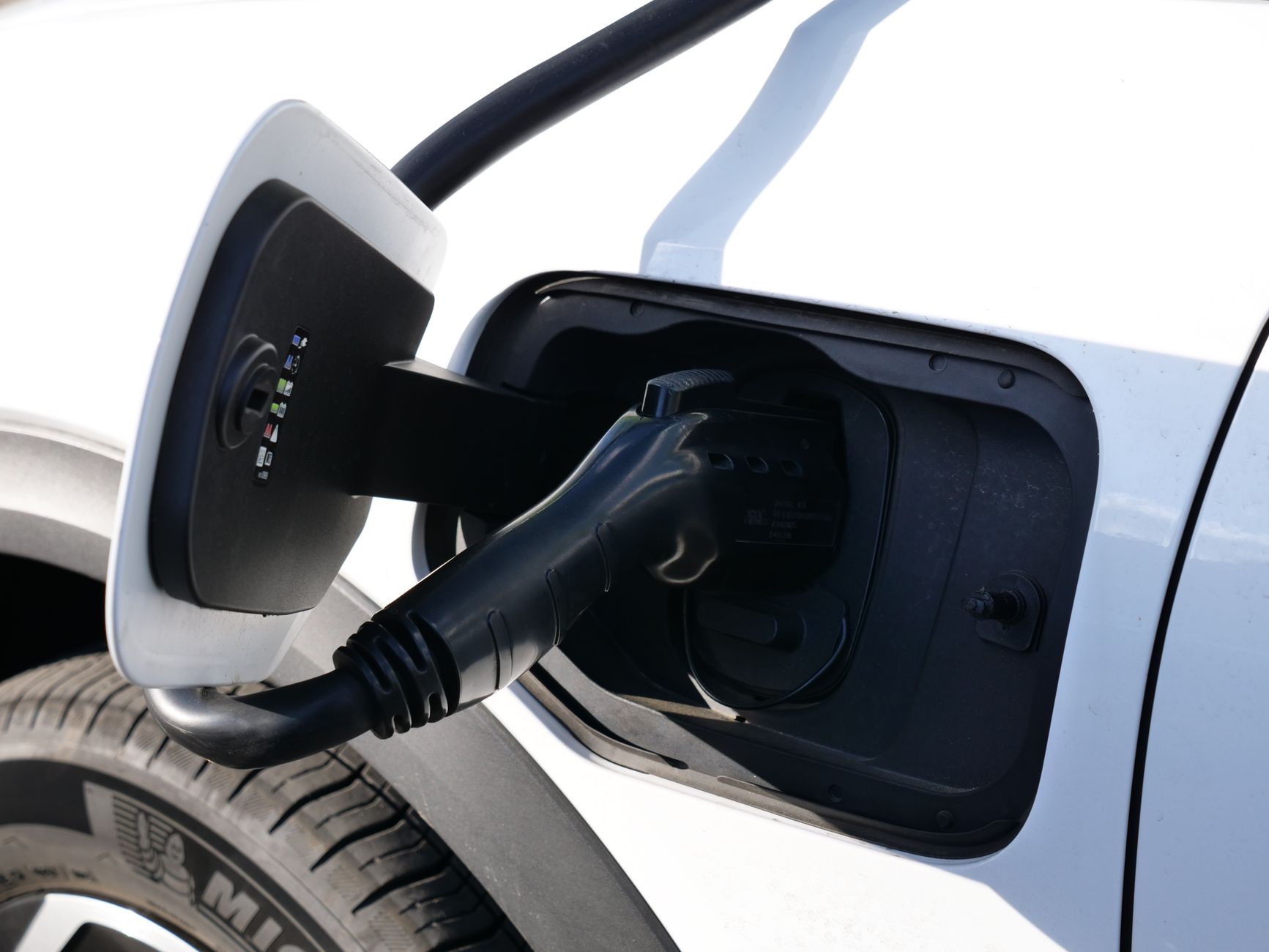
Photo by Giant Asparagus.