Every Tesla built for North America already has the plug it needs for a Supercharger: the NACS connector, no adapter required. But Superchargers aren’t the only fast chargers out there, and knowing how to reach the rest of the network matters on longer trips.
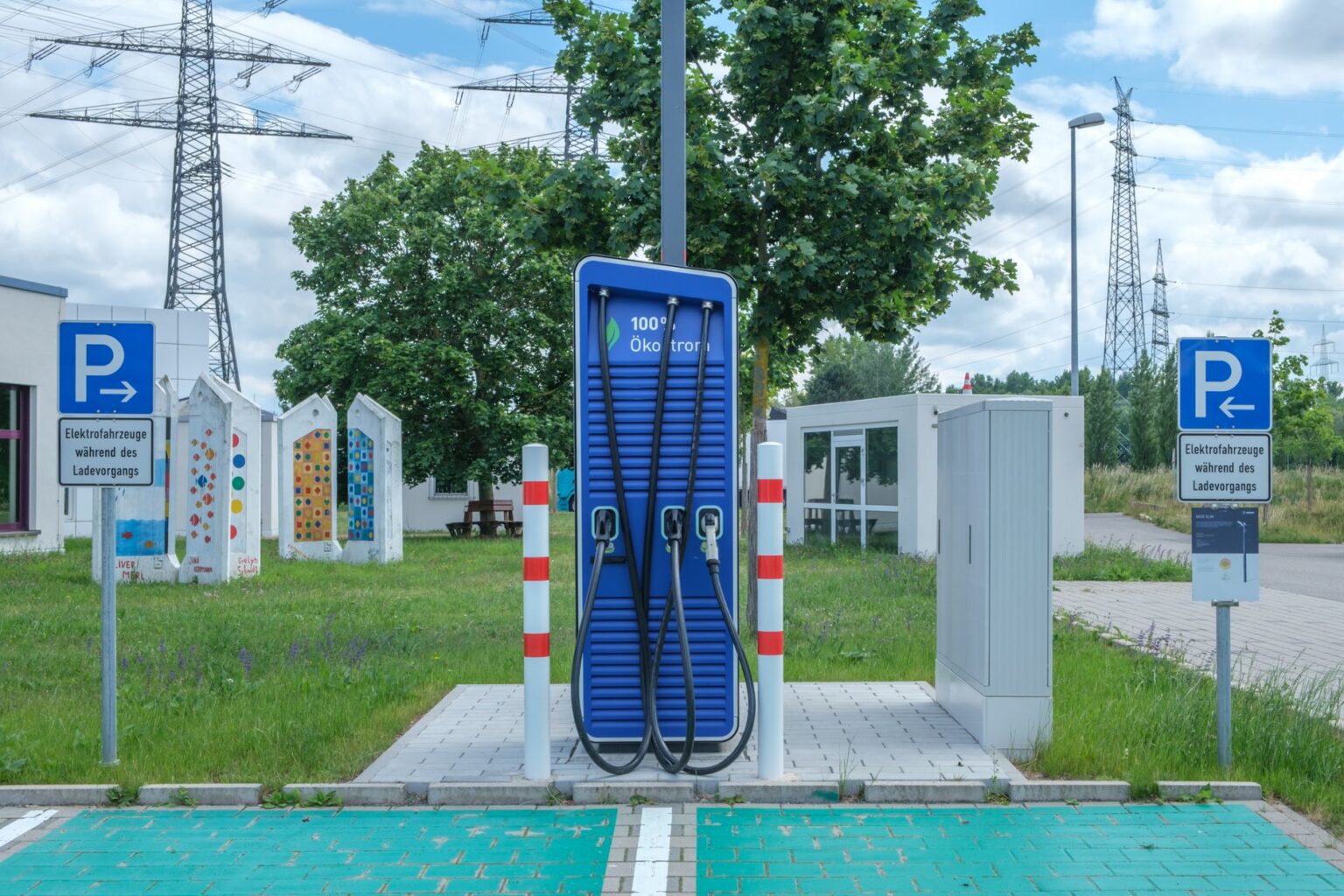
Most non-Tesla DC fast chargers — from networks like Electrify America, EVgo, and ChargePoint — still use the older CCS1 connector, which doesn’t fit a Tesla’s port on its own. To use one, you need Tesla’s own CCS1 to NACS Adapter, currently listed at $200 in Tesla’s shop (price and stock status change, so check the listing before buying — it’s shown as out of stock as of this writing). It supports charging speeds up to 250 kW and works with Model 3 and Model Y directly; Model S and Model X built before the adapter was standard need a retrofit, which Tesla bundles with the adapter for $280 total.
The reverse situation — other EVs plugging into Tesla Superchargers — gets more attention, but the adapter works both ways in the sense that it’s the same NACS-to-CCS1 conversion, just used from the Tesla side to reach a CCS1 plug.
Is it worth buying?
For most owners who charge at home and use Superchargers on trips, the answer is no — not yet. Tesla operates close to 35,000 of its own NACS-native fast-charging stalls in the US, while non-Tesla networks had roughly 1,550 non-Tesla NACS stalls total as of late 2025, per a tracking report from EVChargingStations.com — meaning most of what a CCS1 adapter unlocks is still the older CCS1 plug type, not a native NACS stall. That gap is closing: the same report notes ChargePoint has been rolling out dual-headed cables (CCS1 and NACS on the same charger, marketed as “Omni Port”) specifically to make old and new EVs work at the same stalls without an adapter at all.
Where the adapter earns its keep is route planning in areas with sparse Supercharger coverage, or as a backup when a Supercharger station is full or offline. If you regularly drive through regions where Tesla’s own network is thin, it’s a reasonable $200 insurance policy. If your driving stays within range of Tesla’s Supercharger map, you likely won’t need it.
Before buying, check current Supercharger density along your usual routes in the Tesla app’s trip planner. If gaps show up, that’s your signal the adapter is worth the price — not a fixed rule that every owner needs one.
Photo by Reinhard Bruckner.